
Contents
Manufacturing Insight: 17 4 Stainless Steel Hardness
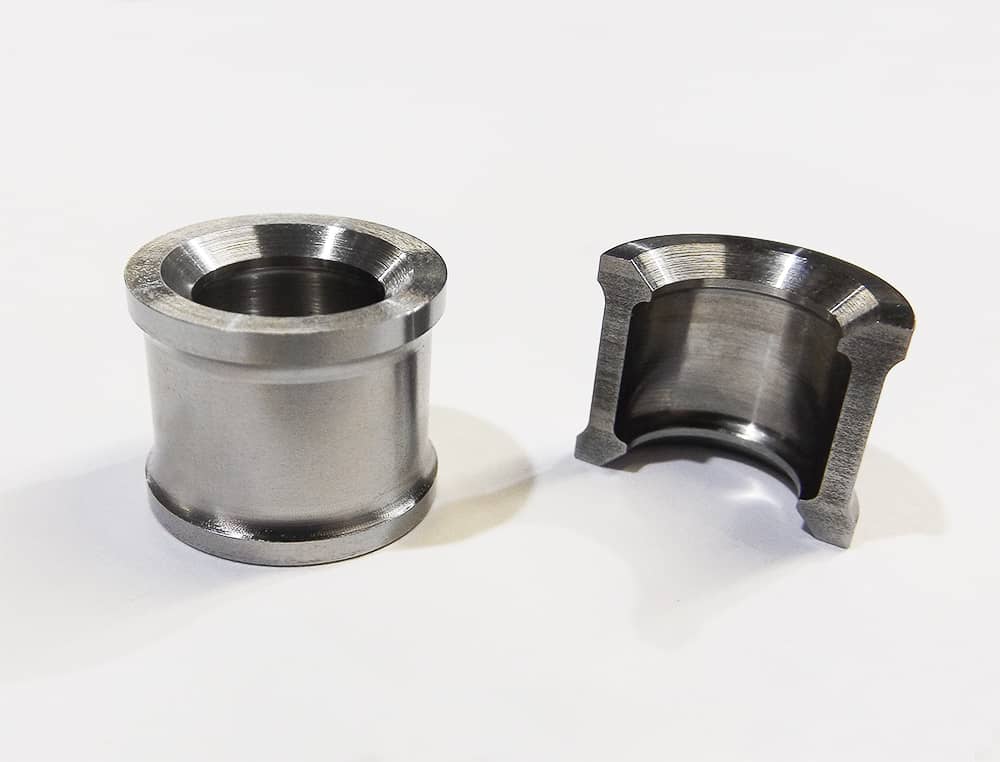
Understanding 17-4 PH Stainless Steel Hardness for Precision CNC Machined Components
17-4 precipitation hardening (PH) stainless steel is a critical material choice for demanding applications requiring high strength, excellent corrosion resistance, and good machinability in the annealed state. Its final hardness—typically ranging from 330 HBW to 450 HBW depending on the specific heat treatment condition (e.g., H900, H1025, H1150)—directly impacts component performance in aerospace, medical, and industrial tooling applications. Achieving precise dimensional accuracy and surface finish during CNC machining is significantly influenced by this variable hardness, as improper handling of the material’s work-hardening tendencies can lead to tool deflection, accelerated wear, and compromised part integrity.
At Honyo Prototype, we specialize in CNC machining 17-4 PH stainless steel across all heat-treated conditions, leveraging material-specific toolpaths, optimized cutting parameters, and rigorous process validation to maintain tight tolerances ±0.0002″. Our engineering team accounts for hardness-induced challenges such as microstructural changes during machining, ensuring final parts meet stringent mechanical property requirements without secondary distortion. Crucially, we support both machining in the annealed state (for complex geometries) followed by post-process heat treatment, and direct machining of pre-hardened stock—providing flexibility to align with your design and production timeline.
Material hardness directly correlates with manufacturability and cost efficiency. The table below outlines common 17-4 PH conditions and their machining implications:
| Heat Treatment Condition | Typical Hardness Range (HBW) | Machinability Consideration |
|---|---|---|
| Annealed (Solution Treated) | 277–331 | Optimal for complex geometries; minimal tool wear |
| H900 | 399–444 | High strength requires rigid setups and specialized tooling |
| H1150 | 311–363 | Balanced strength/machinability; common for structural parts |
Honyo Prototype’s expertise ensures your 17-4 PH components achieve target hardness specifications without sacrificing precision. Validate your design feasibility and lead time immediately using our Online Instant Quote platform—engineered for rapid RFQ processing with automated DFM feedback tailored to stainless steel alloys. Submit your CAD file today to receive a technically vetted quotation within hours, not days.
Technical Capabilities
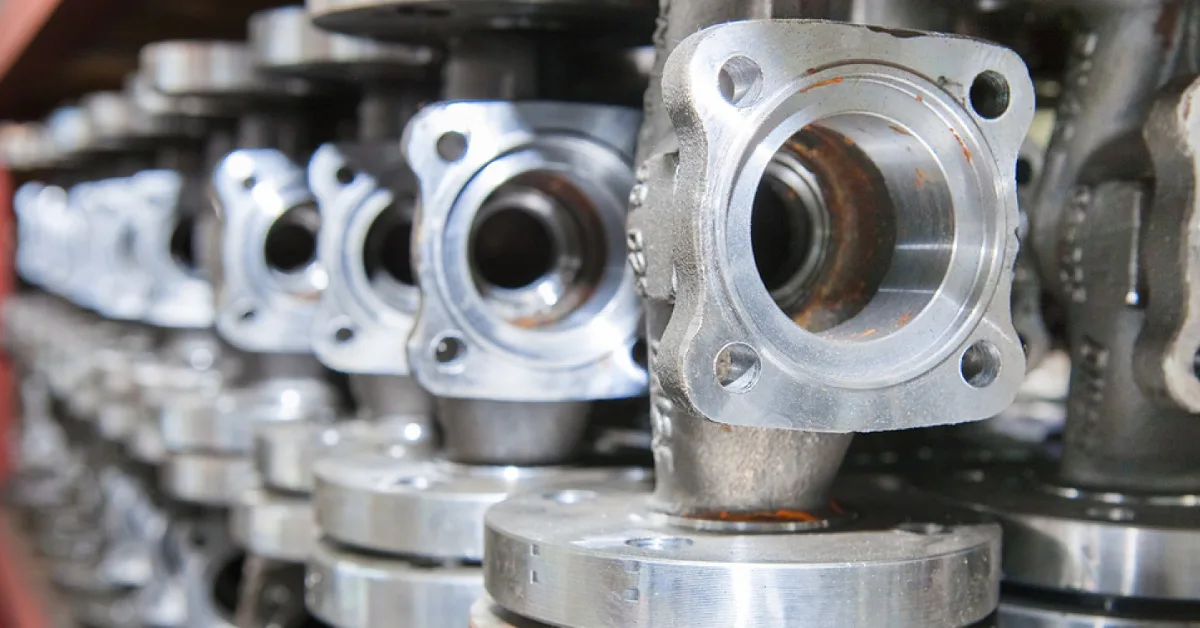
17-4 PH stainless steel (precipitation hardening) is widely used in precision manufacturing due to its excellent strength, corrosion resistance, and ability to achieve high hardness through heat treatment. When machined using 3-, 4-, or 5-axis milling or turning processes, it presents unique challenges due to its high strength and work-hardening characteristics, especially under tight tolerance requirements (±0.0005″ to ±0.001″). Proper tool selection, rigidity, and cooling are essential to maintain dimensional accuracy and surface finish.
The material can be heat treated to various conditions (e.g., H900, H1025, H1150), with hardness typically ranging from 33 to 45 HRC depending on the aging temperature. The H900 condition offers the highest hardness (~41–45 HRC), making it suitable for high-stress aerospace and medical components.
Below is a comparative overview of 17-4 PH stainless steel in relation to other common prototype materials used in multi-axis CNC machining:
| Material | Typical Hardness (HRC) | Machinability Rating | Suitable for Tight Tolerance (±0.001″) | Notes on 3/4/5-Axis Milling & Turning |
|---|---|---|---|---|
| 17-4 PH Stainless Steel | 33–45 HRC (depending on heat treat) | 25–30% (Poor) | Yes, with stable setup and sharp tooling | High work hardening rate; requires rigid setups, low radial engagement, high-pressure coolant; prone to tool wear; ideal for high-strength, corrosion-resistant components |
| Aluminum (6061-T6) | ~15–20 HRC | 75–80% (Excellent) | Yes, highly suitable | Easy to machine at high speeds; minimal tool wear; excellent for complex 5-axis geometries; low thermal expansion aids tight tolerances |
| Mild Steel (1018/1045) | 15–25 HRC | 55–60% (Good) | Yes, with proper fixturing | Predictable chip formation; moderate tool wear; requires coolant for extended tool life; good for structural components |
| ABS (Plastic) | Shore D 70–75 (not applicable in HRC) | 90% (Excellent) | Yes, with care for thermal deflection | Low cutting forces; minimal tool wear; sensitive to heat; requires sharp tools and low feed rates to prevent melting; ideal for prototypes |
| Nylon (PA6/PA66) | Shore D 60–70 | 85% (Very Good) | Yes, with attention to part flex | Low melting point; prone to gumming; use sharp, polished tools; avoid excessive clamping pressure; suitable for wear-resistant non-metallic parts |
For tight tolerance machining of 17-4 PH stainless steel, it is recommended to perform roughing in the annealed condition (Condition A, ~32 HRC), then heat treat to the desired precipitation-hardened state (e.g., H900), followed by finish machining with small depth of cuts and high-precision tooling (e.g., PCD or carbide with specialized coatings). Stress relief prior to final machining may also be necessary to maintain geometric accuracy.
From CAD to Part: The Process
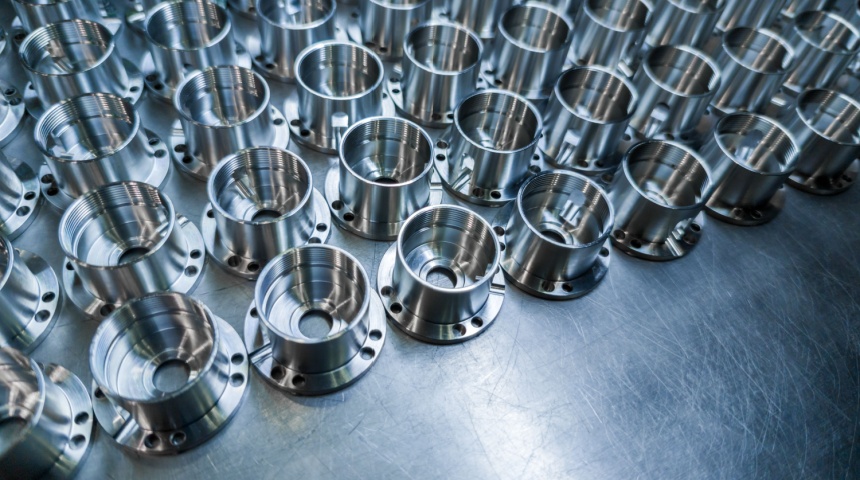
Honyo Prototype Process for 17-4 Stainless Steel Hardness Control
Honyo Prototype delivers precise 17-4 PH (Precipitation Hardening) stainless steel components with controlled hardness through a rigorously defined workflow. Critical to this process is recognizing that 17-4 hardness is not an inherent material property but is dictated by final heat treatment conditions. Our process ensures hardness specifications (e.g., H900, H1150) are met consistently by integrating material science into every stage. Below is the technical workflow:
CAD Upload
Upon receiving the customer’s CAD model, our system isolates geometric features directly impacting hardness outcomes. Thin walls, complex contours, or high-aspect-ratio features are flagged for thermal distortion risk during heat treatment. Material specification (e.g., AMS 5643) and target hardness condition (e.g., H900 = 38–44 HRC) must be explicitly defined in the model metadata or purchase order. Ambiguity here triggers an automated query to the customer before progression.
AI-Powered Quoting
Our AI engine cross-references the CAD geometry with historical 17-4 PH production data, focusing on heat treatment feasibility. It calculates:
Predicted distortion margins based on section thickness variations
Minimum achievable hardness for critical features (e.g., threads ≤0.5mm may not reach H1150 uniformity)
Furnace load optimization to minimize part-to-part hardness deviation
Quotes include explicit hardness validation requirements and NDT methods (e.g., Rockwell C-scale testing per ASTM E18). If the target hardness conflicts with geometry (e.g., H1025 on a 0.3mm wall), the AI flags non-conformance risk with engineering rationale.
DFM Analysis
Our manufacturing engineers conduct a physics-based DFM review centered on hardness control:
Thermal simulation of the heat treatment cycle to predict residual stresses and distortion
Verification of support structures for minimal warpage during aging
Assessment of surface finish requirements against potential scale formation in air-hardening
Confirmation of hardness testing accessibility (e.g., avoiding blind holes for Rockwell indents)
A formal DFM report documents all hardness-related constraints, including recommended condition adjustments (e.g., suggesting H1150 over H900 for complex geometries to reduce cracking risk).
Production Execution
Hardness-critical production follows this sequence:
1. Machining: Near-net-shape fabrication using cryogenic cooling to prevent localized work hardening that could affect aging response.
2. Solution Annealing: Parts heated to 1040°C ±10°C, held for 30 minutes, then air-cooled to form martensite.
3. Aging: Precision-controlled aging per the target condition (see table below). Furnaces maintain ±5°C tolerance with NIST-traceable thermocouples.
4. Hardness Validation: 100% of critical features tested per ASTM E18; 3-point averages recorded. Batch hardness must fall within ±2 HRC of target.
17-4 PH Hardness Conditions & Tolerances
| Aging Condition | Temperature (°C) | Time (hrs) | Typical Hardness Range (HRC) | Primary Use Case |
|—————–|——————|————|——————————|—————————|
| H900 | 482 | 1 | 38–44 | High-strength aerospace |
| H1025 | 540 | 4 | 33–38 | Balanced strength/toughness |
| H1150 | 595 | 4 | 27–31 | Weldability/corrosion resistance |
Delivery & Certification
Final shipment includes:
Material test report (MTR) with actual hardness values at specified locations
Heat treatment batch logs showing time-temperature profiles
Dimensional report confirming post-aging geometry within ±0.05mm tolerance
AMS 2759/10 compliance certificate for heat treatment processes
All hardness data is traceable to NIST standards, with samples retained for 5 years per AS9100 requirements.
Critical Process Note
Hardness deviations in 17-4 PH almost always originate from uncontrolled cooling rates during aging or inadequate solution annealing—not material defects. Honyo’s integrated workflow eliminates these risks by enforcing strict thermal protocols from DFM through delivery, ensuring hardness specifications are met at the feature level, not just as a bulk material property. Customers must define the required aging condition; we do not default to generic “17-4 stainless steel” hardness.
Start Your Project
For inquiries regarding the hardness of 17-4 stainless steel, contact Susan Leo directly at [email protected]. As a Senior Manufacturing Engineer at Honyo Prototype, I can confirm that our production facility is based in Shenzhen, where we maintain strict quality control and material testing protocols to ensure optimal mechanical properties, including precise hardness levels for 17-4 PH stainless steel components.
We provide detailed material certifications and hardness testing reports upon request, supporting both prototype and high-volume production requirements. Reach out to Susan for technical data sheets, custom processing options, or engineering support tailored to your application needs.
🚀 Rapid Prototyping Estimator
Estimate rough cost index based on volume.