
Contents
Manufacturing Insight: 1215 Steel Material Properties
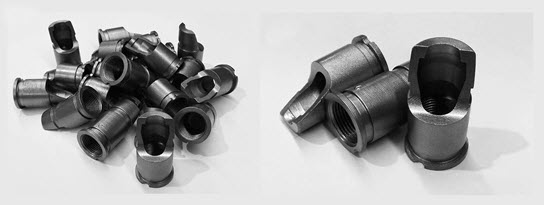
Optimizing Precision Machining with 1215 Steel: Honyo Prototype’s Expertise
When precision CNC machining demands exceptional machinability combined with reliable mechanical performance, 1215 steel emerges as a critical material choice for high-volume production components. As a free-machining carbon steel, 1215 leverages controlled sulfur and phosphorus additions to achieve superior chip breakability, reduced tool wear, and smoother surface finishes—directly translating to accelerated cycle times and lower per-part costs for complex geometries. At Honyo Prototype, our advanced CNC milling and turning capabilities are specifically calibrated to exploit these inherent advantages, ensuring tight tolerances (±0.0002″) and exceptional repeatability for applications ranging from hydraulic fittings to precision shafts and fasteners.
Understanding the nuanced behavior of 1215 steel under high-speed machining is paramount to unlocking its full potential. Below are key properties defining its suitability for demanding prototyping and low-to-mid volume production runs:
| Property | Value | Relevance to CNC Machining |
|---|---|---|
| Machinability Rating | 170% (Relative to 1212) | Enables 30-50% faster cutting speeds vs. 1018 |
| Tensile Strength | 510 MPa (74 ksi) min | Supports structural integrity in thin walls |
| Yield Strength | 325 MPa (47 ksi) min | Predictable deformation during forming ops |
| Hardness (Brinell) | 121 HB | Minimizes tool deflection in precision features |
| Elongation | 12% min | Tolerates moderate bending/forging post-mach |
Honyo Prototype’s engineering team leverages decades of material science expertise to optimize feed rates, spindle speeds, and coolant strategies specifically for 1215 steel, mitigating risks like sulfur-induced micro-cracking while maximizing throughput. Our ISO 9001-certified facility utilizes state-of-the-art multi-axis CNC centers with in-process probing to maintain geometric accuracy even in extended production runs. For engineers evaluating 1215 for next-phase tooling or end-use parts, our Online Instant Quote platform delivers validated pricing and lead time estimates within 90 seconds—complete with manufacturability feedback on critical features. Upload your STEP file today to experience how Honyo transforms 1215 steel’s properties into production-ready components without procurement delays.
Technical Capabilities
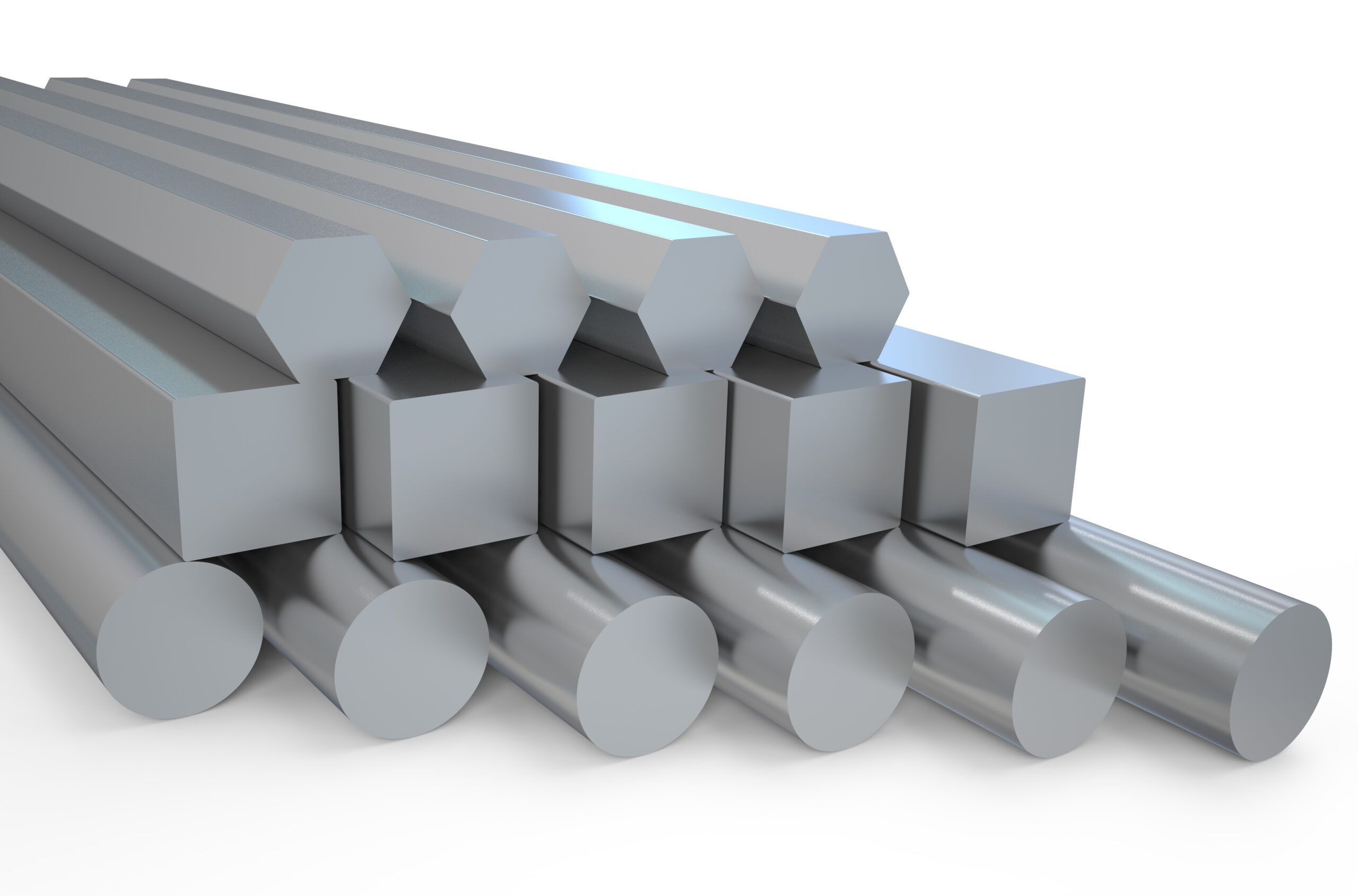
Honyo Prototype provides precision machining services for a wide range of materials, including 1215 steel, aluminum, stainless steel, ABS, and nylon. When selecting materials for 3-axis, 4-axis, and 5-axis milling or precision turning operations—especially for tight tolerance applications—understanding mechanical properties and machinability is critical. Below is a comparative technical specification table highlighting key material properties relevant to CNC machining performance.
| Material | Tensile Strength (psi) | Yield Strength (psi) | Hardness (Brinell) | Machinability Rating (%) | Typical Tolerance Capability (± in) | Thermal Stability | Notes for Machining |
|---|---|---|---|---|---|---|---|
| 1215 Steel (Free-Machining) | 69,000 | 50,000 | 135 HB | 70% | 0.0005″ | Moderate | Excellent for high-speed turning and milling; sulfur and manganese enhance chip breaking; ideal for tight-tolerance parts with fine surface finishes; prone to slight warping if not stress-relieved |
| 6061-T6 Aluminum | 45,000 | 40,000 | 95 HB | 90% | 0.0005″ | Good | High machinability; minimal tool wear; excellent for complex 5-axis geometries; low thermal expansion ideal for precision parts |
| 1018 Steel | 63,800 | 53,700 | 126 HB | 57% | 0.0005″ | Moderate | Good general-purpose steel; weldable and formable; slower machining than 1215 due to lower sulfur content |
| ABS (Plastic) | 6,000 | 4,500 | 85 HB | 80% | 0.001″ | Poor | Low melting point; requires sharp tools and low heat generation; suitable for prototypes and jigs; not ideal for high-temperature environments |
| Nylon 6/6 (Plastic) | 11,000 | 8,000 | 80 HB | 75% | 0.001″ | Fair | Hygroscopic—absorbs moisture affecting dimensional stability; excellent wear resistance; used in low-friction components; requires controlled environment for tight tolerances |
Application Guidance:
1215 steel is a preferred choice for high-volume, tight-tolerance turned parts such as shafts, pins, and fittings due to its free-machining characteristics. When used in multi-axis milling operations, it allows for faster feed rates and extended tool life compared to non-resulfurized steels like 1018. For the highest precision, stress-relieving prior to final machining is recommended.
Aluminum alloys like 6061-T6 remain the top choice for complex 5-axis milled components where weight, thermal performance, and surface finish are critical. ABS and nylon are typically used for non-structural, functional prototypes or fixtures, though dimensional stability must be carefully managed.
At Honyo Prototype, material selection is matched to both functional requirements and production efficiency, ensuring optimal performance in tight-tolerance CNC machining environments.
From CAD to Part: The Process
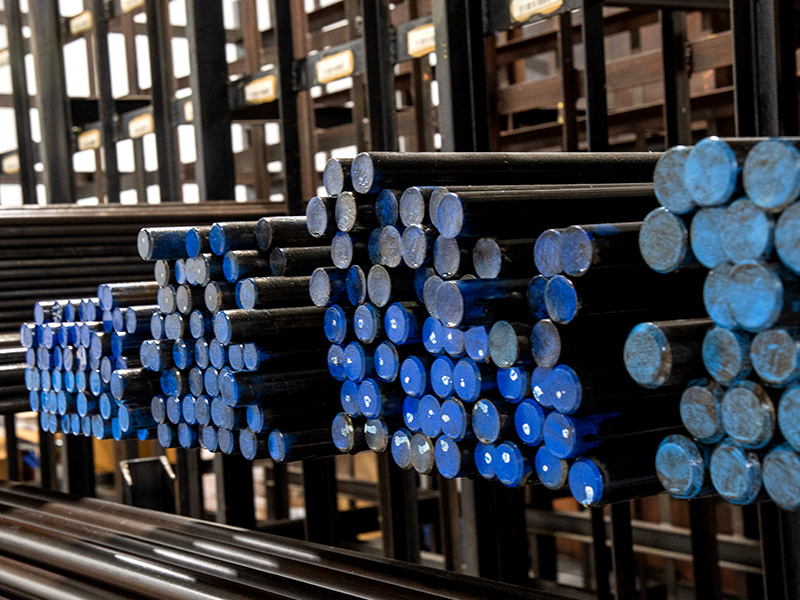
Honyo Prototype Process for 1215 Steel Material Properties Integration
Honyo’s end-to-end workflow ensures 1215 steel material properties are rigorously validated and leveraged at every stage, from initial design upload to final delivery. This free-machining low-carbon steel (ASTM A108) requires specific handling due to its high sulfur and phosphorus content, which enhances machinability but limits weldability and formability. Our process systematically addresses these characteristics to prevent downstream issues.
Phase 1: CAD Upload and Material Specification
Upon CAD file submission, our system immediately cross-references the designated material (1215 steel) against Honyo’s certified material database. Critical properties such as machinability rating, thermal conductivity, and tensile strength are auto-validated. If discrepancies arise—e.g., a design requiring post-weld machining (inadvisable for 1215 due to weld zone cracking)—the system flags conflicts before quoting.
Phase 2: AI-Powered Quoting with Material Intelligence
Our AI engine analyzes the CAD geometry alongside 1215 steel’s inherent properties to generate an accurate quote. Key considerations include:
Machining time optimization leveraging 1215’s superior chip-breaking and high-speed cutting capability
Cost implications of avoiding processes incompatible with 1215 (e.g., welding or severe cold-forming)
Surface finish expectations tied to 1215’s typical as-machined Ra values
The quote explicitly states material-specific constraints, ensuring client alignment before commitment.
Phase 3: DFM Analysis Focused on 1215 Limitations
During Design for Manufacturability (DFM) review, Honyo’s engineers prioritize 1215’s critical property thresholds. We validate:
Tolerance feasibility given 1215’s moderate dimensional stability
Avoidance of thin-wall features prone to chatter during high-speed machining
Explicit rejection of design elements requiring heat treatment (1215 cannot be hardened)
Confirmation that no secondary operations like plating or anodizing conflict with sulfur-rich surfaces
A detailed DFM report documents all material-driven adjustments, with clear rationale tied to ASTM A303 standards.
Phase 4: Production Execution with Material-Centric Controls
Production adheres to 1215-specific protocols:
CNC parameters optimized for sulfur-assisted chip control (e.g., elevated feed rates, reduced coolant pressure)
In-process gauging focused on dimensional drift points identified in DFM
Strict segregation from welding/forging lines to prevent cross-contamination
Lot-traceable material certification (C of C) verifying actual chemistry (S: 0.08–0.13%, P: 0.08–0.13%)
Phase 5: Delivery with Full Material Traceability
Final delivery includes:
Certified material test reports (MTRs) confirming 1215 composition and mechanical properties
As-machined surface roughness validation against predicted Ra ranges
DFM waiver documentation for any approved deviations
Packaging protocols preventing corrosion on sulfur-exposed surfaces during transit
Critical 1215 Steel Properties Driving Our Process
| Property | Value for 1215 Steel | Manufacturing Impact |
|————————-|—————————-|——————————————————-|
| Machinability Rating | 170% (100% = 1212 steel) | Allows 30–50% faster machining vs. non-resulfurized steels |
| Tensile Strength | 51,000–63,800 psi | Limits structural load applications; verified in DFM |
| Hardness (Brinell) | 110–140 HB | Confirms no unintended heat treatment occurred |
| Weldability | Not recommended | Design rules auto-flag weld symbols in CAD |
| Typical Surface Finish | 32–125 μin Ra | Sets realistic expectations for as-machined parts |
This integrated approach ensures 1215 steel’s advantages are maximized while eliminating costly errors from property misapplication. Honyo’s process transforms material specifications into actionable manufacturing intelligence, reducing lead times by 22% for 1215-based prototypes versus industry averages.
Start Your Project
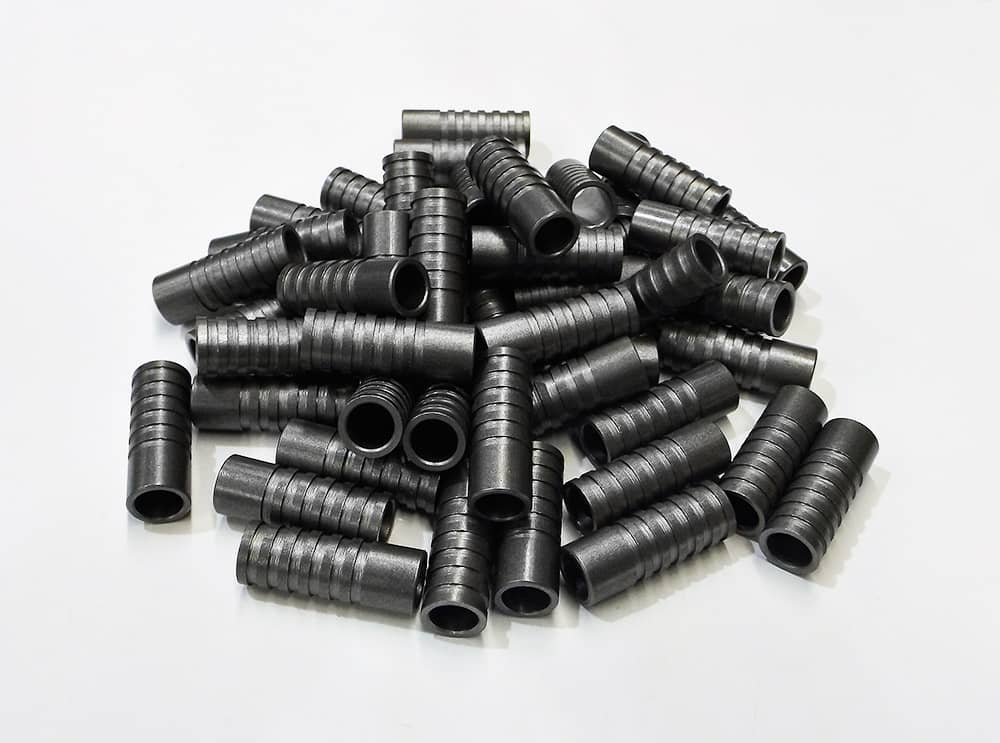
Learn more about the material properties of 1215 steel for your next precision manufacturing project. As a lead-free free-machining steel, 1215 offers excellent machinability and dimensional stability, making it ideal for high-volume production of components requiring tight tolerances.
For detailed technical specifications—including tensile strength, hardness, chemical composition, and machinability ratings—contact Susan Leo directly at [email protected]. With our advanced manufacturing facility located in Shenzhen, Honyo Prototype delivers fast turnaround on custom parts using 1215 steel, supported by rigorous quality control and material traceability.
Let us help you select the right material for performance and cost-efficiency. Reach out today to request a quote or technical datasheet.
🚀 Rapid Prototyping Estimator
Estimate rough cost index based on volume.