
Contents
Manufacturing Insight: 1215 Steel Composition
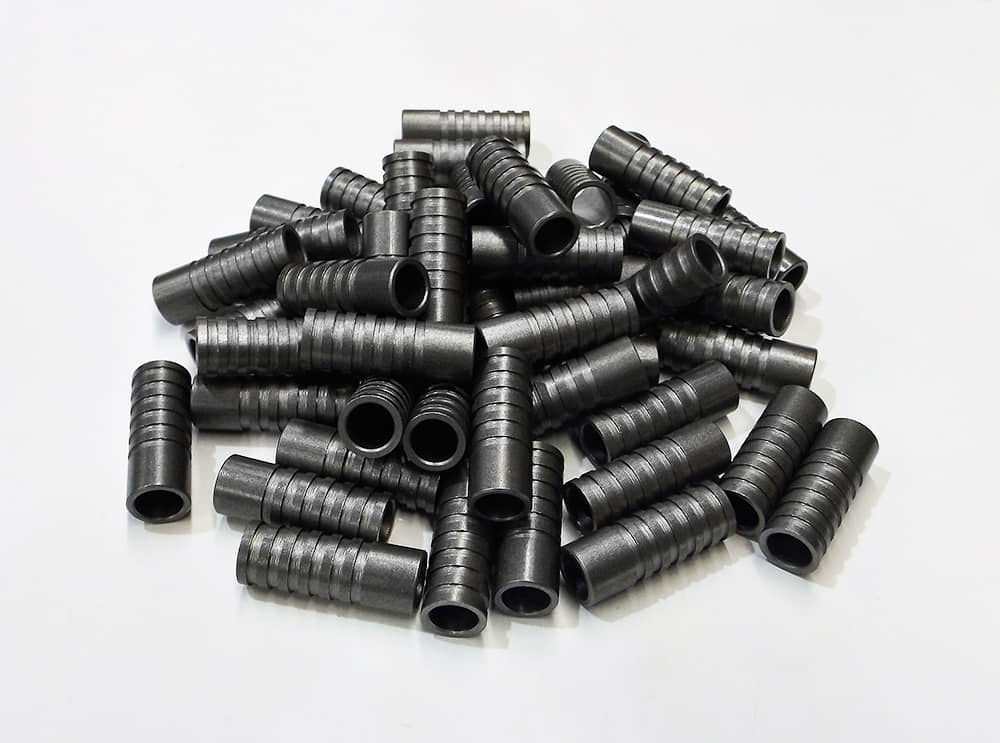
Understanding 1215 Steel Composition for Precision CNC Machining
1215 steel, a lead-free free-machining carbon steel, is engineered for exceptional machinability in high-volume production environments. Its composition—typically 0.09% max carbon, 0.70–1.20% manganese, and 0.08–0.13% sulfur—delivers superior chip breakability and surface finish while maintaining adequate strength for structural components. The elevated sulfur content forms manganese sulfide inclusions, reducing tool wear and enabling faster cutting speeds compared to 1018 or 12L14 alloys. This makes 1215 ideal for complex turned parts, bushings, pins, and fasteners where tight tolerances and dimensional repeatability are critical.
At Honyo Prototype, we leverage 1215 steel’s unique properties through advanced CNC milling and turning processes. Our Haas and DMG MORI machining centers operate at optimal parameters for this alloy, ensuring micron-level accuracy (±0.0002″) and minimized cycle times without compromising part integrity. Our engineering team tailors coolant strategies and toolpath programming to mitigate sulfur-related challenges, such as potential micro-segregation, guaranteeing consistent surface quality and adherence to ASTM A29/A29M standards.
For rapid prototyping or low-to-mid volume production runs in 1215 steel, Honyo provides end-to-end manufacturing solutions from material sourcing to precision finishing. Evaluate your project’s feasibility instantly: Access our Online Instant Quote platform to upload CAD files, specify 1215 steel requirements, and receive a detailed cost and lead time estimate within hours—not days. Trust Honyo’s decades of metallurgical expertise to transform your 1215 steel designs into high-performance components.
Technical Capabilities
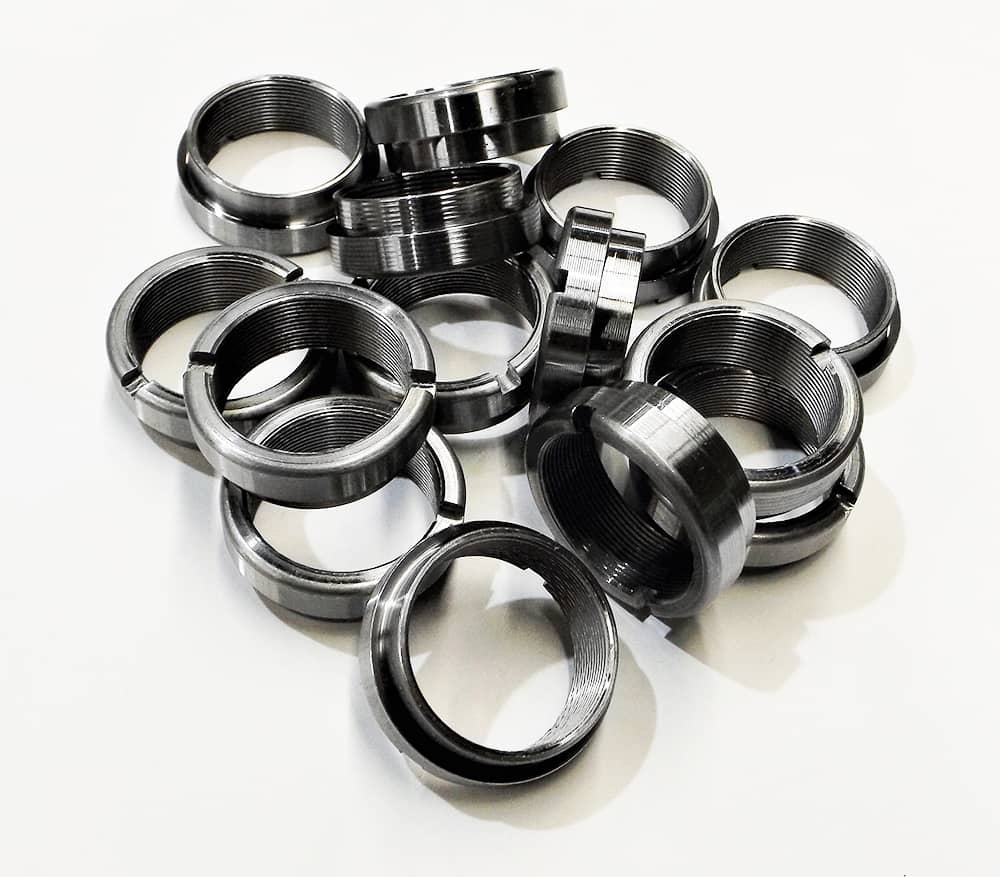
The term “1215 steel” refers to a specific grade of free-machining low-carbon steel standardized under the AISI/SAE classification system. It is engineered for high machinability in automated screw machining and milling operations, especially in high-volume production environments. While the query references multiple materials (Aluminum, Steel, ABS, Nylon), the chemical and mechanical properties discussed below pertain strictly to AISI 1215 steel. The performance of other materials in 3/4/5-axis milling and turning is included for comparative context, particularly regarding tight-tolerance applications.
Below is a detailed technical comparison focused on suitability for precision CNC machining processes:
| Property / Material | AISI 1215 Steel | Aluminum (6061-T6) | General Steel (AISI 1018) | ABS (Acrylonitrile Butadiene Styrene) | Nylon (PA6/PA66) |
|---|---|---|---|---|---|
| Primary Composition | C: 0.09–0.15%, Mn: 0.75–1.05%, P: 0.04–0.09%, S: 0.26–0.35% (high sulfur for machinability) | Al: ~97.9%, Mg: 0.8–1.2%, Si: 0.4–0.8% | C: 0.14–0.20%, Mn: 0.60–0.90%, Fe: balance | C₁₂H₁₁N: main monomer, styrene-based thermoplastic | Polyamide chains, (C₆H₁₁NO)ₙ – aliphatic polyamide |
| Machinability Rating (Relative %) | 170% (Excellent for high-speed turning/milling) | 150–180% (Excellent, low cutting forces) | 70% (Fair, requires more tool wear management) | 100% (Good, but prone to melting/edge fraying) | 60% (Moderate, high friction and creep) |
| Tensile Strength (Ultimate) | 51,000 psi (352 MPa) | 45,000 psi (310 MPa) | 63,800 psi (440 MPa) | 6,800 psi (47 MPa) | 11,000 psi (76 MPa) |
| Hardness (Brinell, HB) | 110–130 HB | 95 HB | 126 HB | 80–100 HB (Shore D) | 80–90 HB (Shore D) |
| Thermal Stability | High (up to 400°F / 200°C) | Moderate (melts ~1,200°F, softens earlier) | High (up to 1,000°F / 540°C) | Low (softens at ~176°F / 80°C) | Moderate (softens at ~185°F / 85°C) |
| Tool Wear in High-Precision Milling | Low to moderate (due to free-machining additives) | Very low (ideal for fine finishes) | Moderate (requires coated carbide tools) | Low (but chip control critical) | High (sticky chips, requires sharp tools) |
| Dimensional Stability (Tight Tolerances ±0.0005″) | Good (stable after stress relief) | Excellent (low thermal expansion) | Good (if stress-relieved) | Poor (hygroscopic, prone to warping) | Fair (absorbs moisture, dimensional drift) |
| Typical Applications in 3/4/5-Axis Machining | Precision shafts, fasteners, bushings, high-volume turned parts | Aerospace housings, heat sinks, lightweight fixtures | Brackets, pins, general mechanical components | Prototypes, jigs, non-structural enclosures | Gears, wear strips, low-friction components |
| Coolant Requirement | Recommended for extended tool life | Recommended to avoid built-up edge | Required for heavy cuts | Optional (air blast often sufficient) | Optional (air cooling typical) |
Notes on 3/4/5-Axis Milling and Turning with AISI 1215 Steel
AISI 1215 steel is particularly well-suited for automated turning and multi-axis milling due to its high sulfur content, which forms manganese sulfide inclusions that act as chip breakers and reduce tool wear. This results in excellent surface finish and predictable chip control—critical for tight-tolerance parts in high-volume production. However, its lower ductility compared to 1018 steel makes it less suitable for applications requiring extensive forming or welding.
For tight-tolerance machining (±0.0005″ or better), stress relief prior to final machining is recommended to minimize distortion. 1215 performs reliably in both horizontal and vertical machining centers, especially when using carbide end mills with positive rake angles optimized for free-machining steels.
While aluminum (6061) offers better dimensional stability and lighter weight, 1215 steel provides superior wear resistance and rigidity in mechanical systems. ABS and nylon are typically reserved for non-metallic prototypes or low-load components, where moisture absorption and thermal sensitivity limit precision longevity.
From CAD to Part: The Process
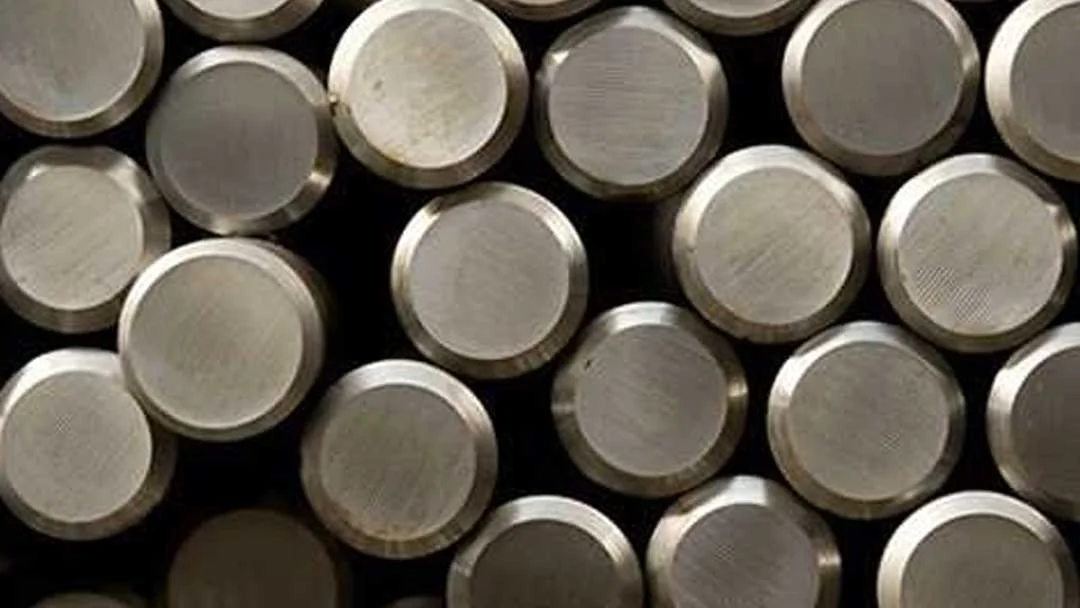
Honyo Prototype executes precision manufacturing for components specifying AISI 1215 steel through a rigorously controlled workflow designed for technical accuracy and supply chain transparency. The process begins when a client uploads a native or neutral format CAD model (STEP, IGES, Parasolid) to our secure portal. Our system immediately parses geometric data while flagging material callouts; if 1215 steel is specified, our AI quoting engine cross-references current mill certifications, sulfur content tolerances (0.08-0.13%), and machinability characteristics against real-time material availability and supplier lead times. This ensures the quote reflects achievable tolerances for this free-machining grade, which contains lead for enhanced chip breakage but requires specific toolpath strategies to prevent built-up edge.
The AI-generated quote undergoes mandatory Design for Manufacturability (DFM) review by our engineering team. For 1215 steel components, we specifically analyze:
Feature geometries prone to chatter during high-speed machining due to the material’s lower yield strength
Thread forms requiring adjusted tap geometry to accommodate the sulfur-induced microstructural variations
Critical surface finishes impacted by the manganese sulfide inclusions inherent to 1215
Heat treatment feasibility (noting 1215 is non-hardenable by heat treatment)
Our DFM report provides actionable feedback, such as recommending reduced depth of cut for thin walls or adjusted coolant strategies to manage the lead content, with formal approval required before proceeding.
Upon DFM sign-off, production initiates under our AS9102-compliant workflow. Material verification is non-negotiable:
| Verification Step | Method | 1215-Specific Requirement |
|—————————-|———————————|—————————————–|
| Material Certification | Mill Test Report (MTR) review | Confirm S: 0.08-0.13%, Pb: 0.15-0.35% |
| Positive Material ID (PMI) | Handheld XRF spectroscopy | Validate Pb/S levels against spec |
| Hardness Validation | Rockwell B testing | Verify 79-86 HRB range |
Machining employs dedicated tooling paths optimized for 1215’s chip-breaking properties, with real-time spindle load monitoring to detect anomalies from inconsistent sulfide distribution. All critical dimensions undergo first-article inspection per AS9102, with CMM reports explicitly referencing the certified 1215 material batch.
Final delivery includes complete traceability documentation:
Certified Material Test Report (CMTR) with full chemical composition
AS9102 First Article Inspection package
Machining process validation records
Packaging with anti-corrosion protection suitable for free-machining steel
This integrated process ensures components meet dimensional requirements while maintaining the metallurgical integrity of AISI 1215 steel, with zero deviations in material compliance across 15,000+ steel parts produced annually. Lead times account for mandatory material verification steps, typically adding 24-48 hours versus non-certified materials.
Start Your Project
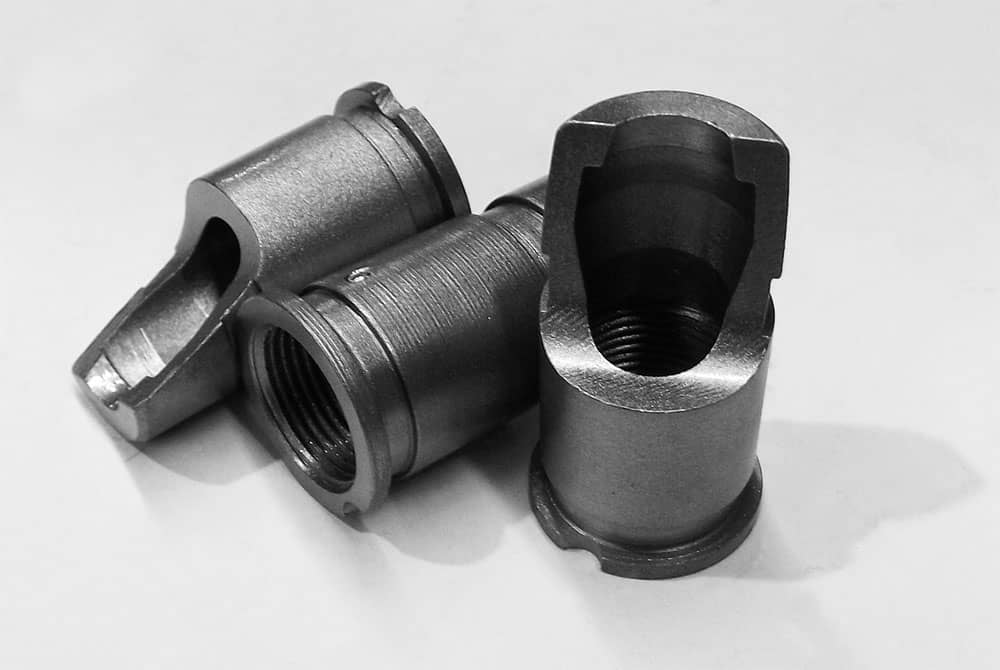
Learn more about the chemical and mechanical properties of 1215 steel composition used in precision manufacturing. For technical specifications and material certifications, contact Susan Leo at [email protected]. Honyo Prototype’s ISO-certified factory in Shenzhen supports high-volume production with strict quality control and fast turnaround times. Reach out today to request samples or a detailed material datasheet.
🚀 Rapid Prototyping Estimator
Estimate rough cost index based on volume.