
Contents
Manufacturing Insight: 1045 Steel Welding
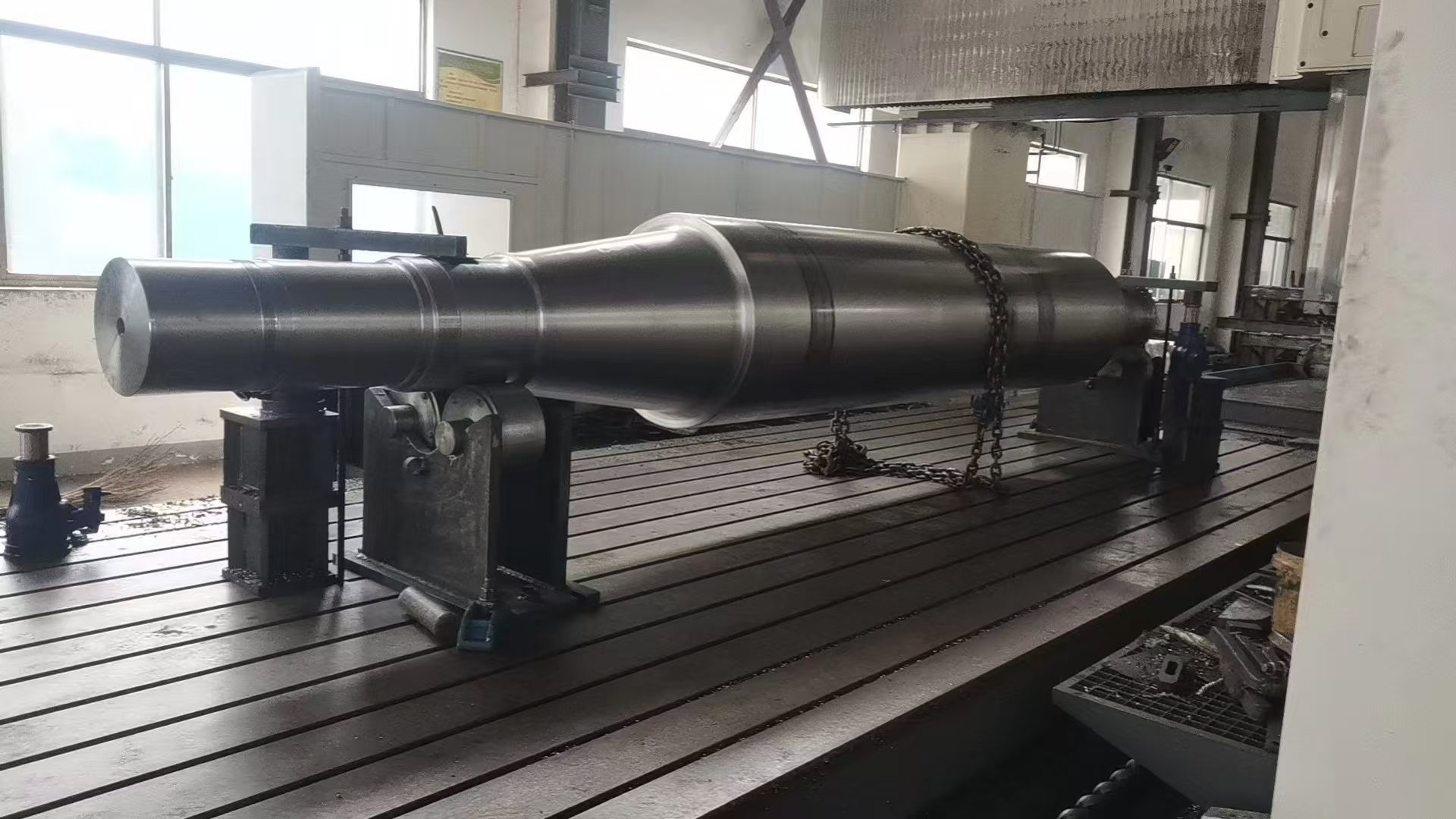
Precision Integration of 1045 Steel Welding and CNC Machining at Honyo Prototype
AISI 1045 medium carbon steel remains a critical material choice for demanding structural and mechanical components due to its excellent balance of strength, wear resistance, and machinability. However, successfully welding 1045 steel presents significant challenges, including susceptibility to hydrogen-induced cracking and the necessity for precise preheating and post-weld heat treatment protocols to maintain base metal properties and joint integrity. At Honyo Prototype, we recognize that optimal fabrication outcomes require seamless integration between welding expertise and high-precision CNC machining capabilities. Our advanced CNC milling and turning services are specifically leveraged to prepare critical weld joints to exacting tolerances, machine post-weld assemblies to final dimensional specifications, and address heat-affected zone requirements, ensuring the structural reliability and functional performance of your 1045 steel components. This holistic approach eliminates the quality and timeline risks associated with outsourcing separate welding and machining processes. Streamline your 1045 steel project development by accessing our Online Instant Quote system, where you can receive accurate, detailed manufacturing cost estimates for integrated welding and precision CNC machining services within minutes, accelerating your prototyping and low-volume production cycles.
Technical Capabilities
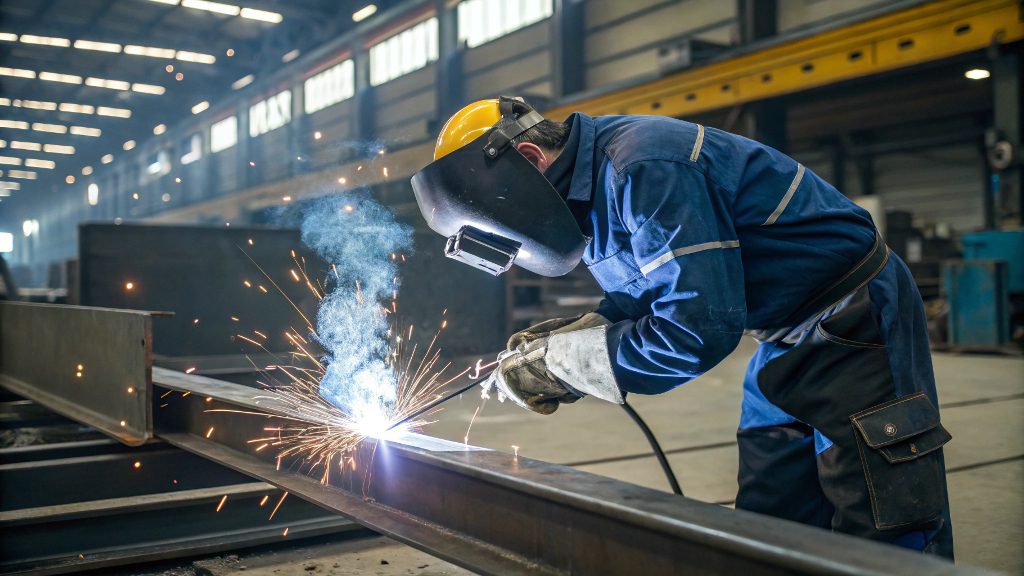
The term “1045 steel welding” refers to the welding of medium carbon steel with a nominal carbon content of 0.45%. While welding is a distinct process from machining, 1045 steel is often machined post-weld to achieve tight tolerances and precision features. At Honyo Prototype, we support integrated manufacturing workflows involving welding followed by high-accuracy 3-, 4-, and 5-axis milling and turning operations. Below are technical considerations and capabilities relevant to machining 1045 steel and other common materials—Aluminum, Steel (including 1045), ABS, and Nylon—with an emphasis on tight tolerance requirements.
| Material | Typical Applications | Machinability (Relative) | Typical Tolerance Capability (±) | Max Tolerance (±) | Recommended Processes | Notes on Welding & Machining Integration |
|---|---|---|---|---|---|---|
| 1045 Steel | Shafts, gears, structural components | Moderate | 0.0005″ (0.0127 mm) | 0.0002″ (0.005 mm) | 3/4/5-axis milling, CNC turning | Pre- and post-weld machining possible; stress relief recommended before precision machining to minimize distortion. Welding requires preheat (~400°F) and controlled cooling. |
| Aluminum (6061, 7075) | Aerospace, enclosures, prototypes | High | 0.0005″ (0.0127 mm) | 0.0002″ (0.005 mm) | 3/4/5-axis milling, CNC turning | Not typically welded in same operation as steel; separate welding (TIG/MIG) followed by precision milling/turning. Low thermal expansion vs. steel aids stability. |
| General Mild Steel (A36, 1018) | Brackets, fixtures, frames | Moderate to High | 0.0005″ (0.0127 mm) | 0.0003″ (0.0076 mm) | 3/4/5-axis milling, CNC turning | Easier to weld than 1045; minimal preheat. Machining post-weld feasible with proper fixturing. |
| ABS | Prototypes, jigs, non-structural parts | High | 0.001″ (0.0254 mm) | 0.0005″ (0.0127 mm) | 3/4/5-axis milling, CNC turning | Not weldable via arc methods; use solvent or ultrasonic welding. Machinable to tight tolerances but sensitive to heat and clamping pressure. |
| Nylon (PA6, PA66) | Gears, bushings, insulators | Moderate | 0.001″ (0.0254 mm) | 0.0005″ (0.0127 mm) | 3/4/5-axis milling, CNC turning | Not suitable for arc welding; friction or laser welding possible. Hygroscopic—must be dried before machining for dimensional stability. |
At Honyo Prototype, we specialize in hybrid manufacturing solutions where welded 1045 steel assemblies are finish-machined using multi-axis CNC platforms to achieve tight tolerances and complex geometries. Our process includes weld inspection, stress relief, and precision CNC operations to ensure final part accuracy. We also support multi-material assemblies involving steel weldments with machined aluminum or polymer components for complete functional prototypes or low-volume production.
From CAD to Part: The Process
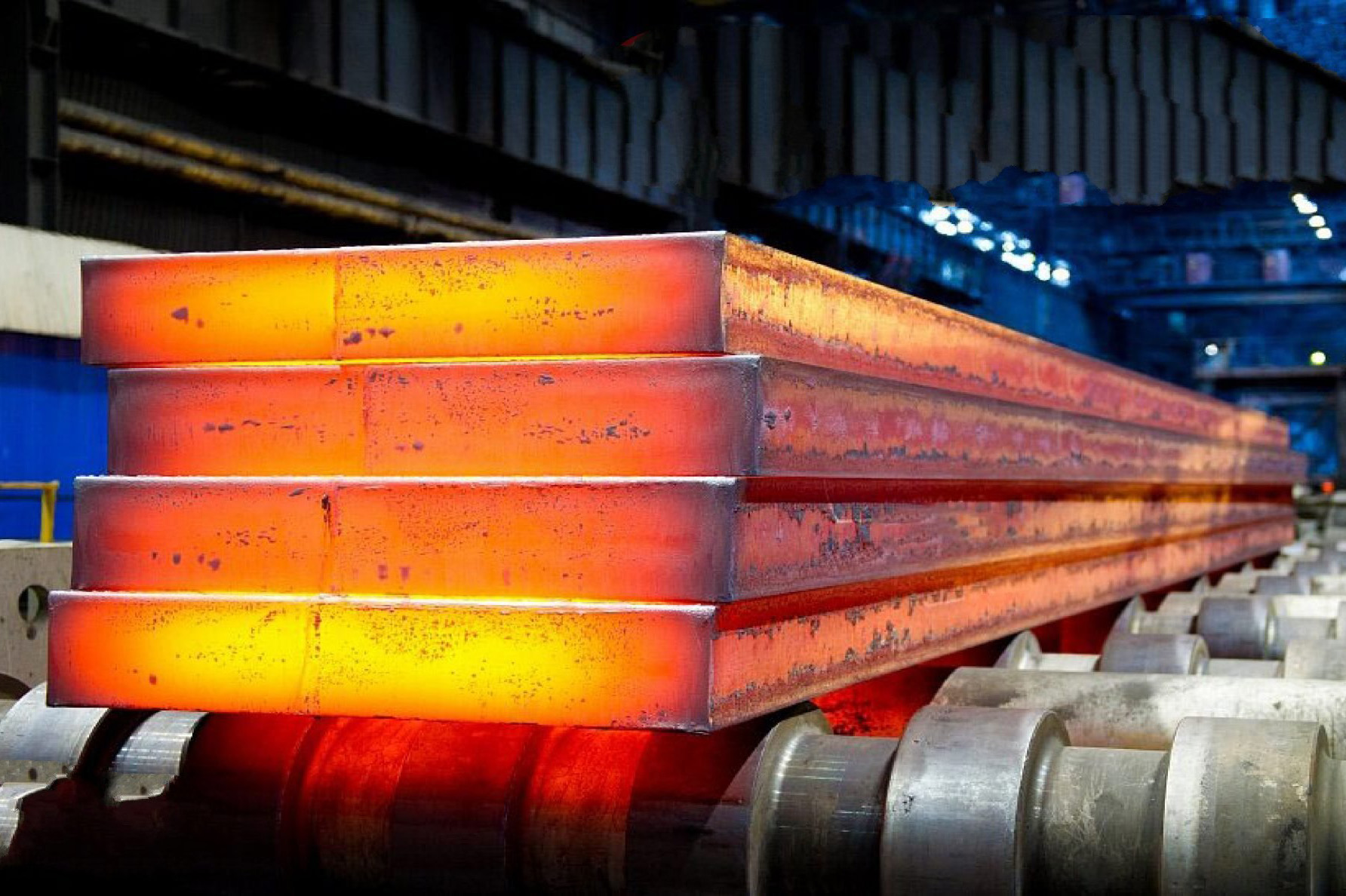
Honyo Prototype’s Technical Process for 1045 Steel Welding
Honyo Prototype implements a rigorously controlled workflow for 1045 medium-carbon steel welding projects, addressing the material’s susceptibility to hydrogen-induced cracking, hardenability, and residual stress. This process ensures structural integrity while optimizing cost and lead time for B2B clients.
CAD Upload and Initial Assessment
Clients submit detailed CAD models via our secure portal, specifying 1045 steel grade, weld locations, joint types (e.g., groove, fillet), and critical mechanical requirements. Our system immediately validates geometric feasibility, flagging design elements incompatible with 1045 steel’s welding constraints—such as inadequate root gaps, insufficient bevel angles, or abrupt section transitions that concentrate stress. Material certifications and intended service conditions (e.g., dynamic loading) are cross-referenced against AWS D1.1 structural welding standards.
AI-Powered Quoting with Material-Specific Parameters
Our AI quoting engine integrates material science data to generate precise cost and timeline estimates. For 1045 steel, the algorithm factors in mandatory preheating (400–600°F per ASME Section II Part D), interpass temperature control, post-weld heat treatment (PWHT) requirements, and filler metal selection (typically E7018 or E8018-C3 low-hydrogen electrodes). The quote explicitly itemizes process-specific costs, such as thermal monitoring during welding or hardness testing, avoiding hidden expenses common in generic quoting systems.
Design for Manufacturability (DFM) Review
Honyo’s metallurgy and welding engineers conduct a DFM analysis focused on mitigating 1045 steel’s weldability risks. Key interventions include:
Redesigning joint geometries to reduce restraint and avoid sharp notches.
Specifying controlled preheat/interpass temperatures based on section thickness (e.g., 1.5x material thickness for plates >1 inch).
Recommending PWHT parameters (e.g., 1100–1250°F soak for stress relief) to prevent delayed cracking.
Adding access features for back-gouging or NDT inspection. Clients receive a collaborative DFM report with actionable revisions, not rejections.
Controlled Production Execution
Welding occurs in climate-controlled bays with real-time monitoring. For 1045 steel, we enforce:
Strict moisture control: Electrodes baked at 700°F and stored in heated quivers.
Preheat verification via calibrated thermocouples before welding initiation.
Interpass temperatures maintained within 50°F of target using infrared pyrometers.
Post-weld slow cooling via ceramic blankets or furnace PWHT.
All procedures adhere to qualified WPS/PQRs traceable to AWS D1.1. Hardness testing (max 350 HV) and liquid penetrant inspection validate weld integrity.
Delivery with Full Traceability
Final components ship with a digital quality dossier including:
Material test reports (MTRs) for base and filler metals.
Weld procedure specifications (WPS) and procedure qualification records (PQR).
Thermal cycle logs and NDT reports (e.g., MPI, hardness maps).
As-built dimensional certification.
This documentation suite meets aerospace, automotive, and industrial OEM compliance demands, ensuring seamless integration into client supply chains.
Honyo’s end-to-end control over 1045 steel welding transforms a high-risk process into a repeatable, quality-assured service—reducing client rework costs by up to 40% compared to standard fabrication vendors.
Start Your Project
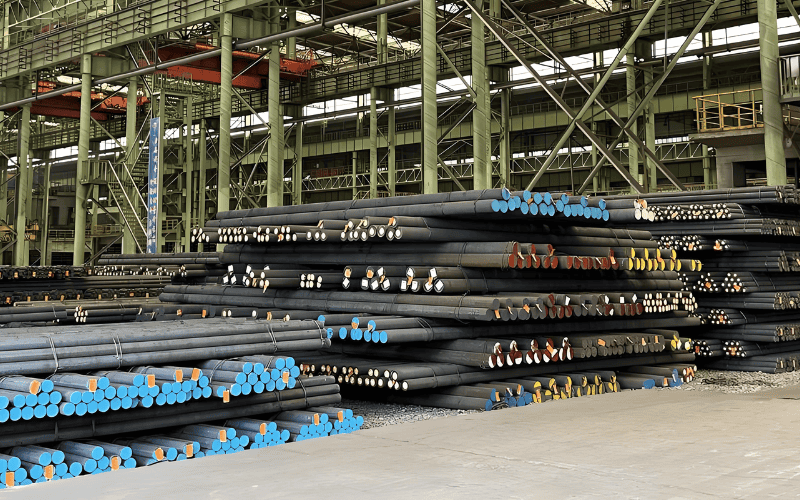
For expert guidance on 1045 steel welding, including material preparation, weldability considerations, and post-weld heat treatment, contact Susan Leo at [email protected]. As a Senior Manufacturing Engineer at Honyo Prototype, I oversee production from our Shenzhen factory, where we specialize in precision metal fabrication and prototyping with medium-carbon steels like 1045. Our in-house team ensures weld integrity, dimensional accuracy, and compliance with engineering specifications.
Let us support your project with technical insights and scalable manufacturing solutions. Reach out today to discuss your 1045 steel welding requirements and leverage our Shenzhen-based facility for fast turnaround and consistent quality.
Contact:
Susan Leo
Email: [email protected]
Factory Location: Shenzhen, China
🚀 Rapid Prototyping Estimator
Estimate rough cost index based on volume.