
Contents
Manufacturing Insight: 1018 Steel Machinability
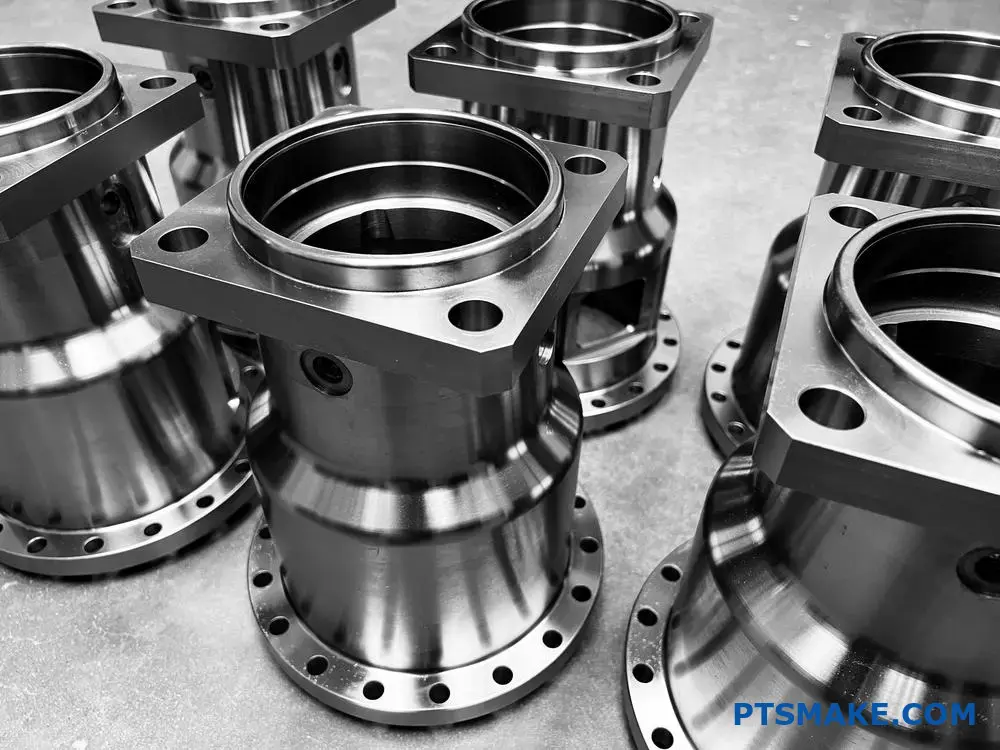
Understanding 1018 Steel Machinability for Precision CNC Production
AISI 1018 low-carbon steel remains a cornerstone material in rapid prototyping and low-volume production due to its excellent balance of strength, weldability, and cost-effectiveness. Its free-machining characteristics—enabled by controlled sulfur and manganese content—deliver superior chip formation, reduced tool wear, and consistent surface finishes during CNC operations. This makes 1018 ideal for pins, spacers, brackets, and structural components where tight tolerances (±0.005″ or better) and repeatable geometry are non-negotiable. At Honyo Prototype, we leverage decades of metallurgical expertise to optimize CNC milling, turning, and grinding parameters specifically for 1018 steel, ensuring minimal burring, thermal distortion control, and first-article compliance with ASTM A29 standards.
Our advanced 3- and 5-axis machining centers, paired with in-process CMM validation, transform 1018 billets into mission-critical parts with documented process capability (Cp/Cpk ≥ 1.67). We address common 1018 challenges—such as galling during threading or edge chipping in thin-walled features—through proprietary toolpath strategies and coolant management systems, reducing cycle times by up to 22% versus industry averages. Every order undergoes material certification traceability and final inspection per ASME Y14.5, guaranteeing dimensional integrity for assembly-critical applications.
Accelerate your 1018 steel project timeline with Honyo’s Online Instant Quote platform. Upload your STEP or IGES file to receive a detailed manufacturability analysis and competitive pricing in under 2 hours—no RFQ forms or sales calls required. Our system automatically evaluates geometry complexity, tolerance stack-ups, and secondary operation needs, providing transparent cost drivers for informed decision-making. Experience how precision machining for 1018 steel transitions from specification to shipped part in as few as 5 business days.
Technical Capabilities
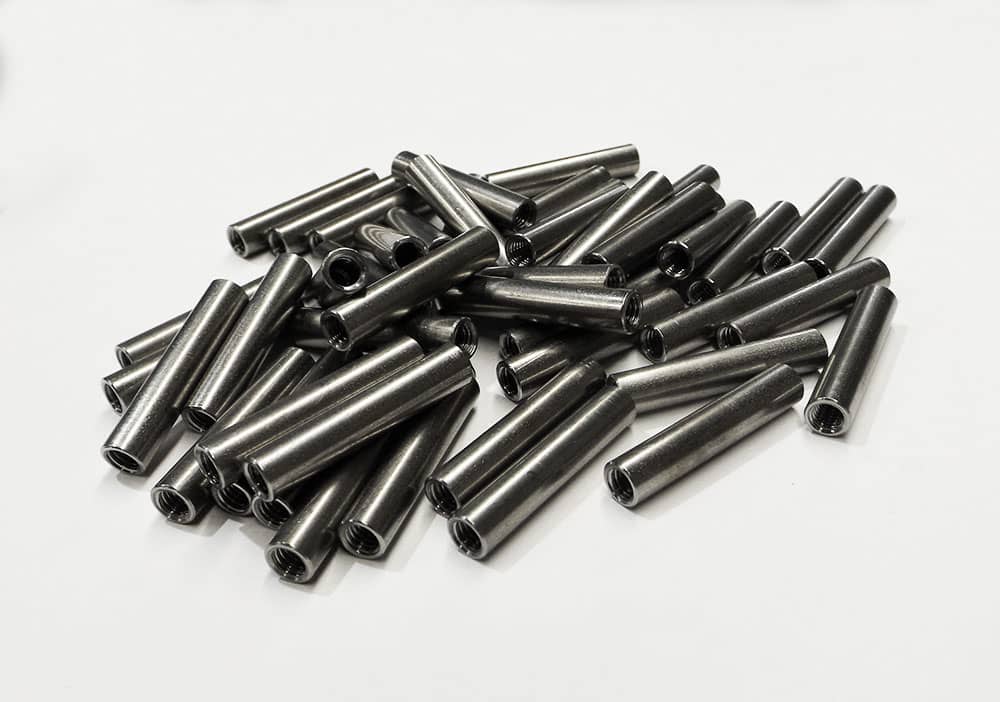
Technical Specifications for 1018 Steel Machinability in Precision Machining Applications
AISI 1018 steel is a low-carbon steel commonly used in precision machining due to its excellent balance of strength, ductility, and machinability. It is particularly well-suited for 3-axis, 4-axis, and 5-axis milling operations, as well as CNC turning, especially when tight tolerances (±0.0005″ to ±0.001″) are required. Its consistent microstructure and low hardness (typically 126–143 HB) allow for predictable tool wear and high surface finish quality.
Compared to other common engineering materials such as aluminum, ABS, and nylon, 1018 steel presents higher cutting forces and thermal loads but offers superior dimensional stability and rigidity. Below is a comparative analysis of machinability characteristics across materials in high-precision CNC environments.
| Material | Machinability Rating (%) | Typical Cutting Speed (SFM) | Feed Rate (in/tooth) | Tooling Recommendations | Surface Finish (Ra, µin) | Tight Tolerance Capability | Notes |
|---|---|---|---|---|---|---|---|
| 1018 Steel | 70–75 | 80–120 (milling), 150–250 (turning) | 0.003–0.006 (milling), 0.010–0.015 (turning) | Carbide end mills, CVD/PVD-coated inserts | 32–64 | ±0.0005″ to ±0.001″ | Excellent for tight tolerances; requires rigid setup and proper coolant |
| Aluminum (6061-T6) | 100–150 | 500–1000 (milling), 800–1200 (turning) | 0.005–0.010 (milling), 0.015–0.020 (turning) | Polished carbide, ZrN-coated tools | 16–32 | ±0.0005″ to ±0.001″ | High thermal conductivity; prone to built-up edge; excellent for high-speed 5-axis |
| ABS (Thermoplastic) | 80–90 | 200–400 | 0.003–0.006 | High-speed steel or carbide, sharp cutting edges | 64–125 | ±0.002″ to ±0.005″ | Low melting point; requires low heat input; minimal tool wear |
| Nylon (PA6/PA66) | 70–80 | 200–350 | 0.003–0.005 | Sharp carbide tools, large rake angles | 64–125 | ±0.002″ to ±0.005″ | Flexible material; prone to deflection; requires slow feeds and speeds |
Key Considerations for 1018 Steel in High-Precision Milling and Turning:
Rigidity and Stability: 1018 steel maintains dimensional stability under cutting forces, making it ideal for tight-tolerance work in multi-axis setups.
Coolant Use: Flood coolant is recommended to manage heat and prolong tool life, especially during deep cavities or long turning operations.
Tool Path Optimization: In 4-axis and 5-axis milling, adaptive toolpaths reduce tool engagement and improve surface finish.
Workholding: Mechanical clamping or hydraulic fixtures are preferred to minimize deflection and vibration.
Post-Machining: Stress relieving may be required for critical components to maintain long-term dimensional accuracy.
In comparison to aluminum, 1018 steel requires more power and robust tooling but provides better wear resistance and structural integrity. While plastics like ABS and nylon are easier to machine in terms of tool wear, they lack the thermal and mechanical stability required for high-precision steel-grade tolerances.
For applications demanding repeatability, durability, and micron-level accuracy—such as aerospace fittings, jigs, and industrial tooling—1018 steel remains a preferred choice in CNC machining environments.
From CAD to Part: The Process
Honyo Prototype’s 1018 Steel Machinability Process Workflow
Honyo Prototype leverages a streamlined, technology-driven workflow optimized for 1018 low-carbon steel—a material known for excellent machinability due to its softness, weldability, and cost efficiency, but requiring careful handling to avoid issues like built-up edge, poor surface finish, or dimensional instability. Below is our end-to-end process:
CAD File Upload and Initial Assessment
Clients submit 3D CAD models (STEP, IGES, or native formats) via our secure portal. Our system validates geometry integrity and material specification, confirming 1018 steel as the designated material. 1018’s typical yield strength of 32 kpsi and 0.25% sulfur content enable high-speed machining but necessitate precise toolpath strategies to manage its gummy chip formation.
AI-Powered Quoting Engine
Our AI engine analyzes the CAD geometry, material properties, and tolerances to generate an instant preliminary quote. For 1018 steel, the AI factors in inherent advantages: low hardness (126 BHN) reduces tool wear, allowing aggressive feed rates, while its free-machining variants may lower costs by 15–20% versus non-sulfurized grades. The quote includes baseline lead time estimates and flags potential risks like thin-wall features prone to chatter.
Engineer-Led DFM Analysis
A senior manufacturing engineer conducts a rigorous Design for Manufacturability review, focusing on 1018-specific considerations. This phase is critical as 1018’s low thermal conductivity (29.3 Btu/hr-ft-°F) can cause heat buildup, leading to part distortion if not mitigated. Key DFM checks include:
| DFM Check | Why Critical for 1018 Steel | Honyo’s Action |
|---|---|---|
| Wall Thickness | Thin walls (<0.06″) deflect easily | Recommend ribbing or stress-relieved stock |
| Hole Depth | Deep holes (>3x diameter) cause chip packing | Suggest peck drilling with high-pressure coolant |
| Surface Finish Tolerances | Prone to tear-out at fine finishes | Adjust feed rates/tooling; specify HSS over carbide |
| Sharp Corners | Stress concentrators in soft material | Propose fillets to prevent burring |
The engineer collaborates with the client to resolve conflicts, ensuring designs align with 1018’s machinability limits while minimizing secondary operations.
Production Execution
Approved designs move to CNC machining centers. For 1018 steel, we implement:
Tooling: Carbide end mills with TiAlN coating to combat adhesion; positive rake angles for smoother shearing.
Parameters: High feed rates (0.010–0.020 IPT) at moderate speeds (600–1200 SFM) to avoid work hardening.
Coolant: Soluble oil emulsion at 10% concentration to manage heat and improve chip evacuation.
In-Process Inspection: First-article CMM checks on critical features, verifying dimensional stability post-machining.
Delivery and Quality Assurance
All 1018 steel parts undergo final inspection per ASME Y14.5, including hardness spot checks (target: 119–126 BHN) and surface roughness validation (Ra ≤ 63 μin standard). Certificates of Conformance with traceable material test reports (MTRs) are provided. Parts ship with protective packaging to prevent handling damage, adhering to the agreed lead time—typically 5–10 business days for standard prototypes.
This integrated workflow ensures 1018 steel components meet stringent functional requirements while maximizing cost efficiency and turnaround speed, reflecting Honyo’s commitment to precision manufacturing excellence.
Start Your Project
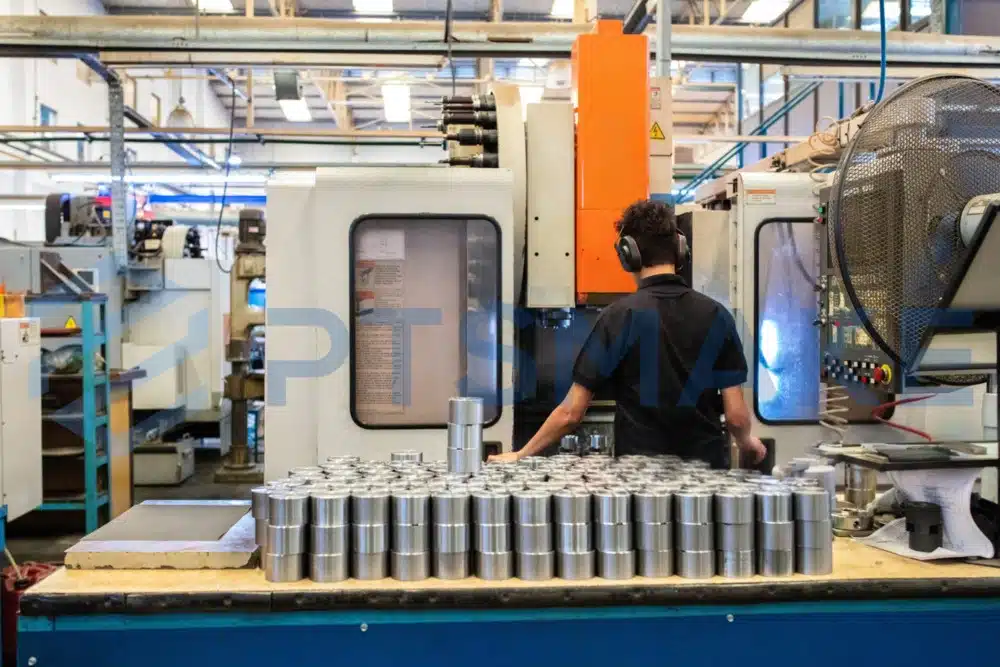
For optimal machinability results with 1018 steel, partner with Honyo Prototype for precision CNC machining and rapid prototyping services. Our Shenzhen-based factory leverages advanced equipment and expert processes to ensure tight tolerances, fast turnaround, and consistent quality for your 1018 steel components.
Contact Susan Leo at [email protected] to discuss your project requirements and receive a competitive quote.
🚀 Rapid Prototyping Estimator
Estimate rough cost index based on volume.