
Contents
Manufacturing Insight: 1008 Steel
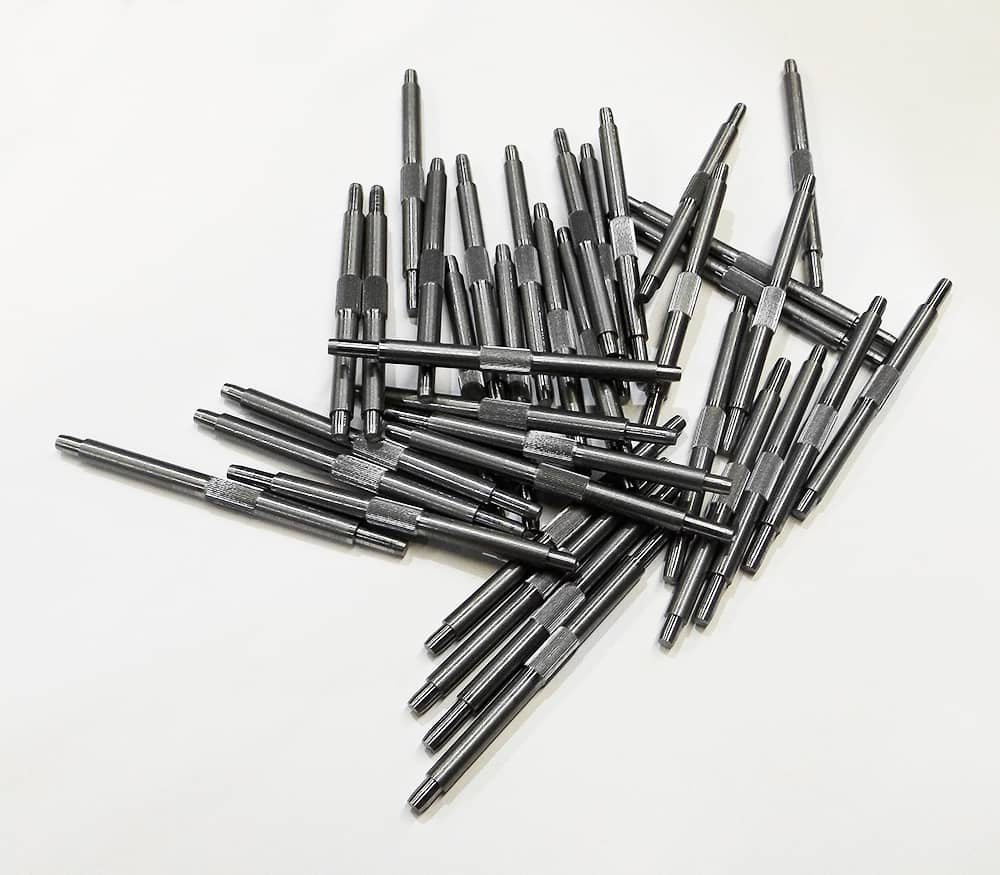
Optimizing Prototypes with 1008 Steel via Precision CNC Machining
As a foundational low-carbon steel alloy, 1008 steel offers exceptional machinability, weldability, and formability, making it ideal for rapid prototyping and low-volume production of components requiring moderate strength, tight tolerances, and seamless secondary operations. Its minimal carbon content (0.05–0.10%) ensures reduced tool wear during high-speed CNC machining while maintaining excellent surface finish capabilities—critical for functional prototypes in automotive brackets, electrical enclosures, and structural fixtures. At Honyo Prototype, we leverage this material’s free-machining characteristics through advanced 3- and 5-axis CNC milling and turning centers, optimized toolpath strategies, and in-process metrology to deliver dimensionally accurate parts with minimal burring or deformation. Our engineering team tailors feeds, speeds, and coolant protocols specifically for 1008 steel, ensuring consistent repeatability and accelerated turnaround without compromising material integrity.
Key mechanical properties of 1008 steel relevant to prototyping include:
| Property | Value | Relevance to CNC Machining |
|---|---|---|
| Carbon Content | 0.05–0.10% | Low tool wear, smooth chip evacuation |
| Tensile Strength | 340–415 MPa | Suitable for non-structural prototypes |
| Machinability Rating | 51% (relative to AISI 1112) | High-speed machining efficiency |
| Common Applications | Fasteners, hinges, frames | Ideal for iterative design validation |
Honyo Prototype eliminates procurement delays with our Online Instant Quote platform, providing real-time pricing and lead time estimates for 1008 steel CNC projects within minutes. Simply upload your STEP or IGES file, specify material grade and finish requirements, and receive a DFM-reviewed quote—enabling faster iteration cycles and seamless transition from concept to physical validation. Partner with us to transform 1008 steel’s versatility into precision-engineered prototypes, backed by rigorous quality control and on-demand manufacturing agility.
Technical Capabilities
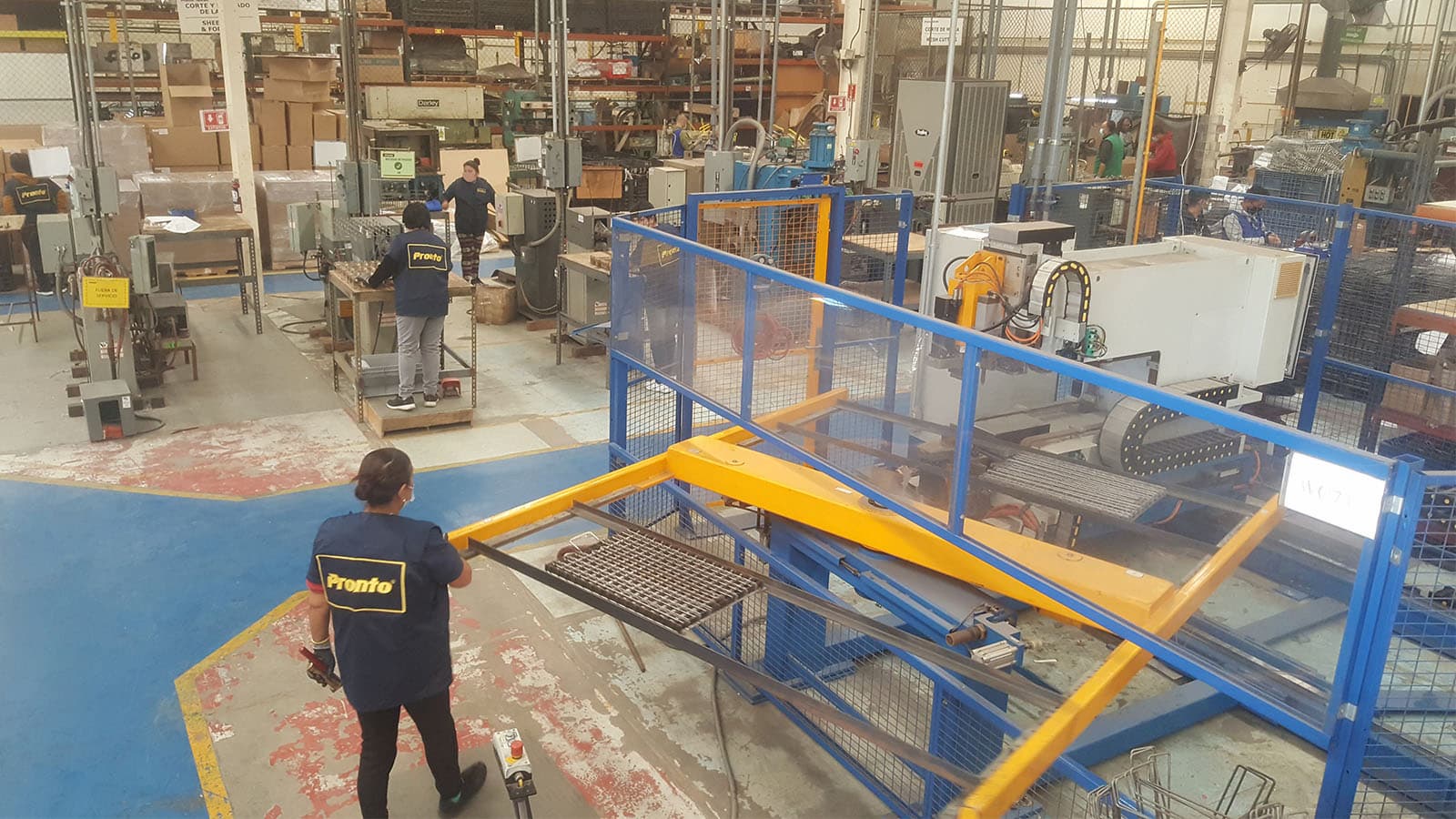
Technical Specifications for 1008 Steel in Precision Machining Applications
1008 steel is a low-carbon, cold-rolled steel known for excellent formability, weldability, and machinability. It is commonly used in precision machining applications involving 3-axis, 4-axis, and 5-axis milling, as well as CNC turning operations, particularly when tight tolerances (±0.0005″ to ±0.005″) are required. Its low carbon content (approximately 0.08%) results in a soft, ductile material that machines easily with minimal tool wear, making it suitable for high-speed cutting processes. However, due to its lower hardness, it may not be ideal for wear-resistant end-use parts unless post-machining treatments (e.g., case hardening) are applied.
The table below compares 1008 steel to other common prototyping and production materials in the context of multi-axis milling and turning with tight tolerance requirements.
| Material | Tensile Strength (psi) | Hardness (HRB) | Machinability Rating (%) | Typical Tolerance (± in) | Suitability for 3/4/5-Axis Milling | Suitability for CNC Turning | Notes |
|---|---|---|---|---|---|---|---|
| 1008 Steel | 50,000 – 60,000 | 50–65 HRB | 70% | 0.001 – 0.005 | Excellent | Excellent | Low carbon, easy to machine, good for tight tolerances; may require plating or coating for corrosion resistance |
| Aluminum 6061 | 45,000 | 30–35 HRB | 90% | 0.0005 – 0.002 | Excellent | Excellent | Lightweight, high machinability, excellent for complex geometries and high-speed milling |
| Steel (4140 Alloy) | 90,000 – 110,000 | 25–32 HRC | 60% | 0.001 – 0.005 | Very Good | Very Good | Higher strength and hardness; used for high-stress applications; slower machining rates |
| ABS (Thermoplastic) | 6,000 | 85–95 Shore D | 100% | 0.002 – 0.005 | Good | Good | Easy to machine, low heat resistance; ideal for prototypes and non-structural parts |
| Nylon 6/6 | 11,000 | 70–80 Shore D | 80% | 0.002 – 0.005 | Fair to Good | Good | Tough and wear-resistant; can experience thermal expansion; requires sharp tools and stable fixturing |
Machining Considerations for 1008 Steel in Tight Tolerance Applications
When machining 1008 steel on 3/4/5-axis CNC mills or turning centers, the following best practices ensure optimal results:
Use sharp, coated carbide tools to maintain edge integrity and reduce built-up edge.
Moderate cutting speeds and feeds are recommended to control heat generation and maintain dimensional stability.
Coolant or lubrication is advised to improve surface finish and prolong tool life.
Due to its softness, secure fixturing is critical to prevent part deformation under clamping pressure, especially in thin-walled or complex geometries.
For 5-axis milling, toolpath optimization helps reduce cycle time while maintaining tight tolerances through reduced setup changes.
1008 steel is often selected for fixtures, jigs, brackets, and internal components where precise dimensions are required, but high strength or wear resistance is not the primary design driver.
From CAD to Part: The Process
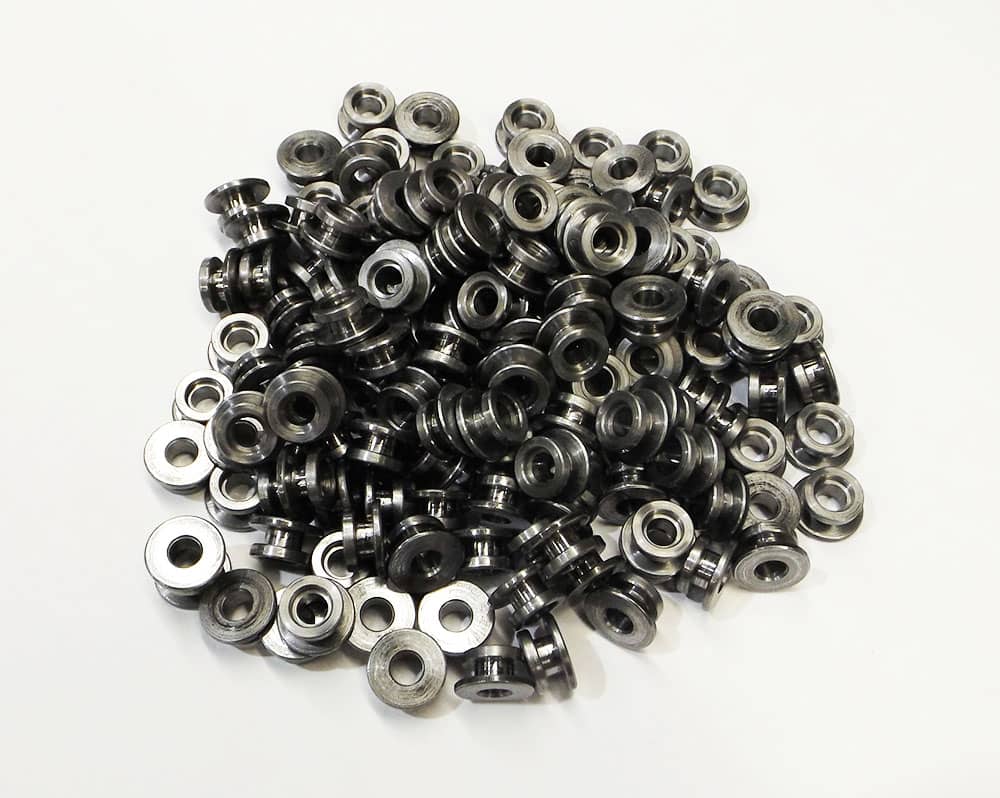
Honyo Prototype Manufacturing Process for 1008 Steel Components
Honyo Prototype executes a streamlined, technology-driven workflow for 1008 low-carbon steel components, ensuring precision, cost efficiency, and rapid turnaround. This process leverages material-specific expertise to address 1008 steel’s weldability, formability, and surface finish requirements.
CAD Upload and Initial Processing
Clients submit 3D CAD files (STEP, IGES, or native formats) via our secure portal. Our system immediately validates file integrity and extracts critical geometry data. For 1008 steel, we confirm minimum bend radii (typically ≥0.8mm for 1mm thickness) and hole-to-edge spacing to prevent cracking during fabrication. Material selection defaults to AISI 1008 cold-rolled steel, though alternatives like 1010 may be suggested for thicker sections requiring deeper draws.
AI-Powered Quoting Engine
Our proprietary AI engine analyzes the CAD geometry alongside real-time material costs, machine availability, and 1008 steel’s processing characteristics. The algorithm factors in:
Scrap rate optimization for narrow kerf laser cutting (0.15–0.2mm kerf typical)
Forming springback compensation (1–3° for 1008 steel)
Secondary operation sequencing (e.g., tapping M3+ holes post-forming)
Quotes include granular cost breakdowns and are generated within 2 business hours, with manual engineering review for complex geometries.
Material-Specific DFM Analysis
All 1008 steel projects undergo mandatory Design for Manufacturability review by our fabrication engineers. Key checks include:
Verifying bend reliefs ≥0.5x material thickness to avoid edge tearing
Confirming hole diameters ≥1.0x material thickness for clean punching
Assessing flange lengths for minimum 4x material thickness stability
Flagging sharp corners requiring relief cuts to prevent stress fractures
Clients receive annotated DFM reports with actionable suggestions, such as adjusting radii to 0.5mm+ for improved formability.
Production Execution
Approved designs move to production with 1008 steel-specific parameters:
Laser Cutting: 2kW fiber lasers with nitrogen assist for oxide-free edges (critical for subsequent plating)
Forming: Progressive dies with 0.1mm punch-die clearance; lubrication optimized for low-carbon steel’s galling tendency
Secondary Ops: Thread forming (not cutting) for internal threads to maximize strength in soft base material
Quality Control: 100% first-article inspection per ASME Y14.5, including Rockwell B hardness verification (65–75 HRB typical for 1008)
Delivery and Traceability
Finished components undergo final cleaning to remove residual oils (essential for adhesion in plating/painting). All shipments include:
Material certification (mill test reports per ASTM A621)
Dimensional inspection report with CMM data (where specified)
Batch-specific process parameters log
Standard lead time is 7–10 business days for quantities under 500 pieces, with expedited options available.
Process Performance Metrics for 1008 Steel
| Phase | Avg. Duration | Key Quality Metric | Failure Rate |
|——-|—————|———————|————-|
| AI Quote | <2 hours | Quote accuracy | <2.5% variance |
| DFM Review | 8–24 hours | Issue resolution rate | 92% first-pass |
| Production | 5–8 days | PPM defect rate | 187 PPM |
| Delivery | 24–72 hours | On-time shipment | 98.7% |
This integrated approach ensures 1008 steel components meet stringent functional requirements while minimizing cost and lead time through material-aware digital manufacturing. All processes comply with ISO 9001:2015 and IATF 16949 standards for automotive-grade production.
Start Your Project
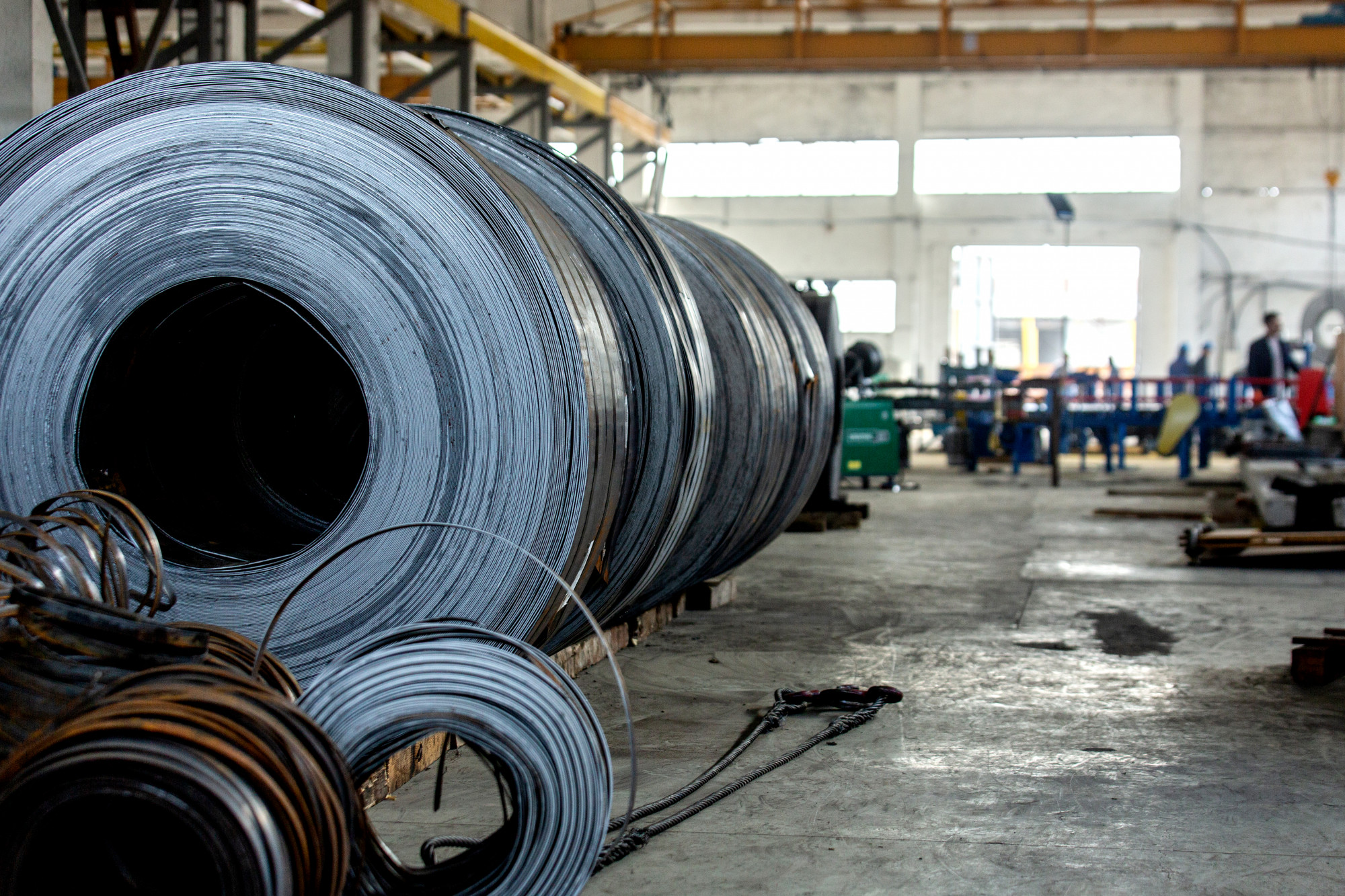
Looking for high-quality 1008 steel for your next project? Honyo Prototype offers precision manufacturing solutions with material expertise and fast turnaround times.
Our factory in Shenzhen is equipped to handle low-volume prototypes to high-volume production runs, ensuring consistent quality and on-time delivery.
For inquiries about 1008 steel or custom fabrication services, contact Susan Leo at [email protected]. Let’s discuss how we can support your manufacturing needs.
🚀 Rapid Prototyping Estimator
Estimate rough cost index based on volume.