
Contents
Manufacturing Insight: 1 8 Inch Gauge Steel
Precision Machining for 1/8 Inch Gauge Steel: Technical Execution from Honyo Prototype
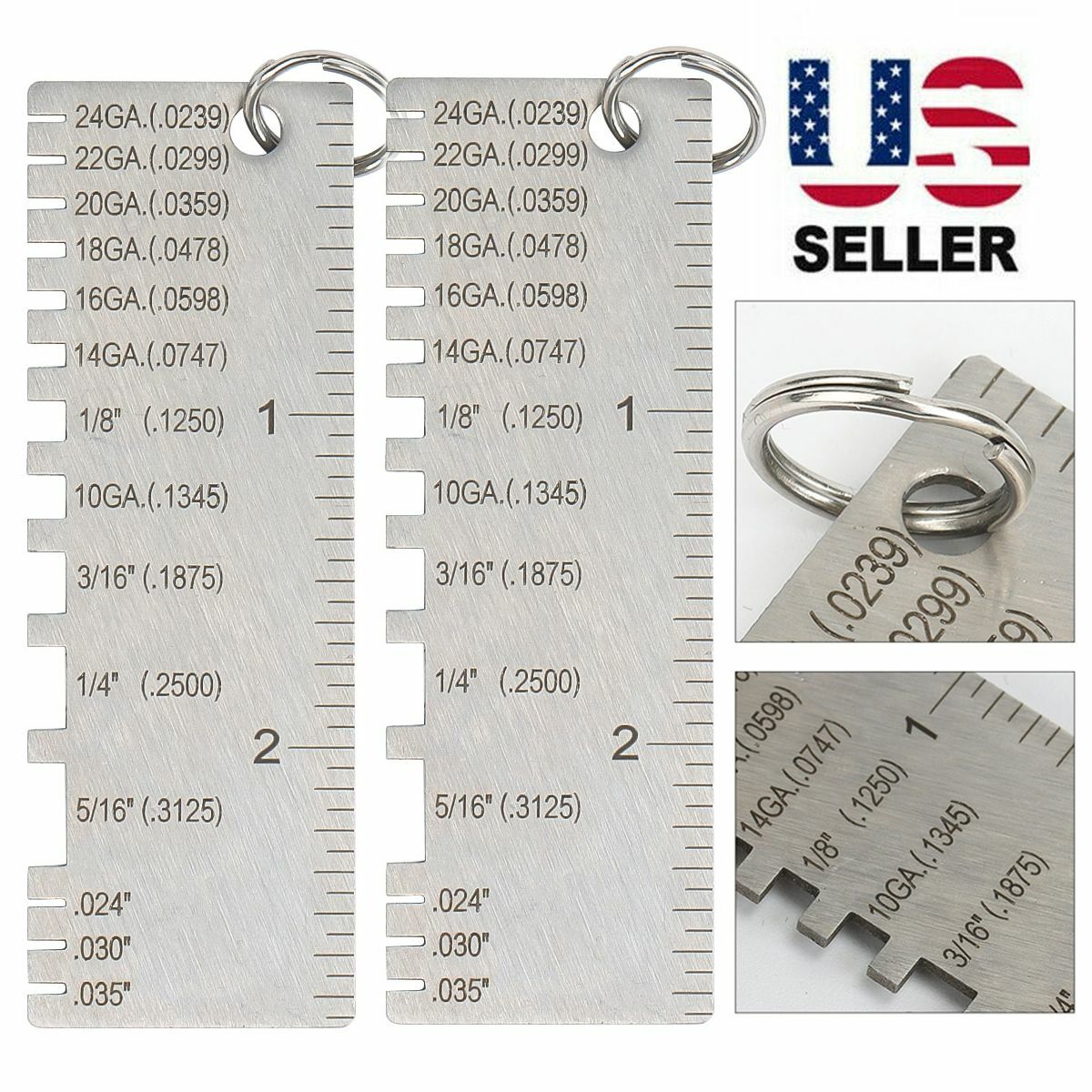
When specifying 1/8 inch gauge steel for your precision components, understanding the exact material thickness and its implications for manufacturability is critical. True 1/8 inch steel measures 0.125 inches (3.175 mm) in thickness, distinct from fractional gauge standards which vary by material type. This dimension presents specific challenges in CNC machining, including managing deflection during milling, achieving tight tolerances without distortion, and ensuring clean shearing or laser cutting edges. Material properties like yield strength and thermal conductivity directly impact tool selection, feed rates, and the risk of burr formation—factors that demand experienced process engineering to overcome.
Honyo Prototype delivers certified CNC machining solutions engineered specifically for 1/8 inch steel applications. Our multi-axis milling and turning centers, combined with rigorous in-process metrology, consistently achieve ±0.0005 inch tolerances on complex geometries. We optimize toolpaths to minimize vibration-induced chatter on thin sections and implement proprietary clamping strategies to prevent workpiece movement. Every operation adheres to ISO 9001:2015 standards, with full material traceability and first-article inspection reports available. Our engineers proactively address common pitfalls like heat-affected zones in cut edges or tolerance stack-ups in multi-feature parts, ensuring your 1/8 inch steel components meet functional requirements on the first run.
Transitioning from design to production requires speed without compromising technical rigor. Honyo’s Online Instant Quote system provides validated pricing and lead times for 1/8 inch steel parts within minutes, not days. Simply upload your STEP or DWG file to receive an automated manufacturability analysis highlighting potential geometry conflicts, material utilization efficiency, and recommended finishing processes. This eliminates procurement delays while ensuring your design aligns with precision machining realities. For urgent projects requiring sub-5 day turnaround, our dedicated prototype cell maintains priority scheduling for qualified 1/8 inch steel orders. Begin your precision machining workflow with immediate technical validation at honyoprototype.com/quote.
Technical Capabilities
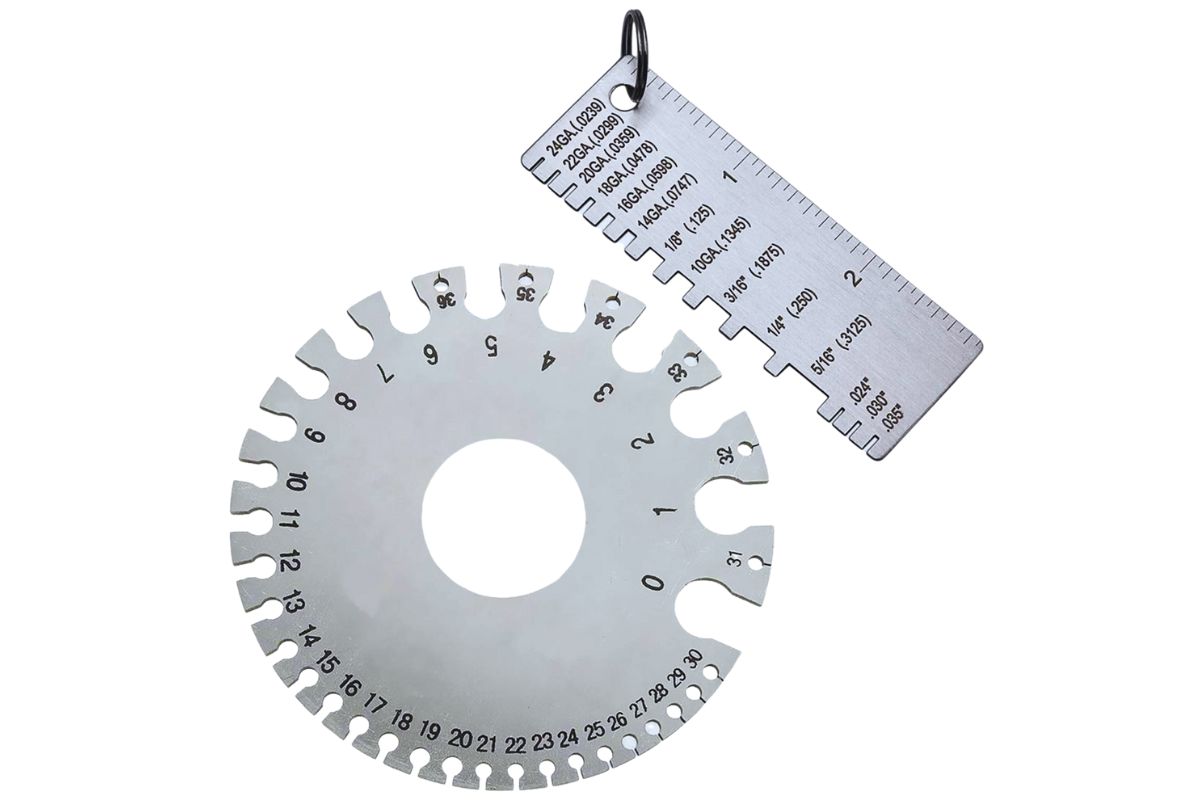
The term “1 8 inch gauge steel” appears to be a misstatement or formatting error, likely intended to refer to a material stock size or sheet gauge. However, in precision machining contexts—particularly 3-, 4-, and 5-axis milling and turning—the focus is typically on raw material form (e.g., bar, plate, billet) and dimensions (e.g., diameter, thickness), rather than sheet gauge when working with metals like steel or aluminum. For clarity, this response assumes the intent is to describe general technical capabilities for machining common engineering materials—including steel, aluminum, ABS, and nylon—with emphasis on tight tolerance work using multi-axis CNC processes.
Below is a summary of technical specifications and capabilities relevant to 3-, 4-, and 5-axis milling and turning operations at Honyo Prototype, with attention to tight tolerance performance across key materials.
| Parameter | Aluminum (e.g., 6061-T6, 7075-T6) | Steel (e.g., 4140, 1018, 303 Stainless) | ABS (Acrylonitrile Butadiene Styrene) | Nylon (e.g., PA6, PA66) |
|---|---|---|---|---|
| Typical Stock Forms | Bar, plate, billet | Bar, round, block | Rod, sheet, block | Rod, sheet, block |
| Machinability | Excellent | Good to Moderate (varies by alloy) | Excellent | Good (slightly gummy) |
| Max Tolerance Capability | ±0.0002″ (5 µm) | ±0.0002″ (5 µm) | ±0.0005″ (12 µm) | ±0.0005″ (12 µm) |
| Surface Finish (Typical) | 32–64 µin Ra | 32–64 µin Ra | 64–125 µin Ra | 64–125 µin Ra |
| 3-Axis Milling Suitability | High | High | High | High |
| 4-Axis Milling Suitability | High (indexing features) | High (complex slots, contours) | Moderate (heat-sensitive) | Moderate (flexible) |
| 5-Axis Milling Suitability | High (complex aerospace parts) | High (mold components, fixtures) | Limited (typically not required) | Limited (low stiffness) |
| Turning Suitability | High (good chip control) | High (with proper tooling) | Moderate (requires sharp tools) | Moderate (requires relief) |
| Thermal Sensitivity | Low | Low | Moderate (expands with heat) | High (hygroscopic, softens) |
| Fixturing Considerations | Low clamping force needed | High clamping, rigid setup | Light clamping, avoid heat buildup | Clamping with even pressure |
| Common Applications | Enclosures, heat sinks, brackets | Shafts, gears, tooling, hardware | Prototypes, housings, jigs | Wear strips, gears, bushings |
Honyo Prototype maintains sub-micron-level repeatability on calibrated CNC milling and turning centers, with environmental controls and in-process inspection (e.g., touch probe systems, CMM verification) to ensure tight tolerance compliance. Multi-axis capabilities allow for single-setup machining of complex geometries, minimizing cumulative error and improving geometric accuracy (e.g., true position, flatness, runout). Material-specific toolpaths, spindle speeds, feed rates, and coolant strategies are optimized per job to maintain integrity and precision, especially in thermally sensitive or ductile materials like nylon and ABS.
From CAD to Part: The Process
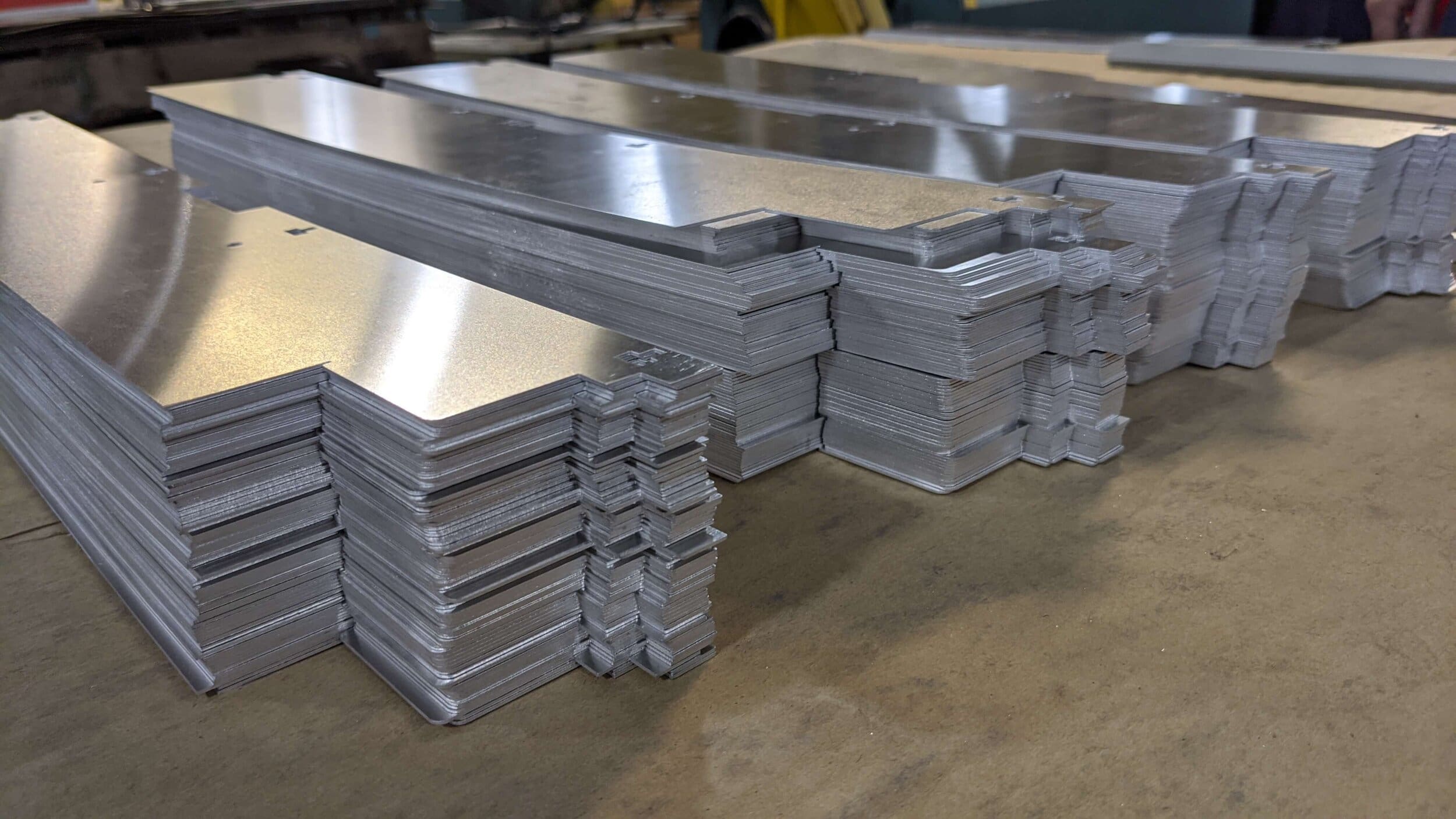
Honyo Prototype follows a rigorously defined workflow for manufacturing components specified as 18 gauge steel sheet metal parts. We note that “1 8 inch gauge steel” appears to contain a typographical error; industry standard nomenclature refers to either 1/8 inch thickness (0.125″) or 18 gauge steel (approximately 0.0478″ or 1.214 mm per ASTM standards). Our process is engineered to handle both interpretations with precision, though 18 gauge is the most common sheet metal specification in prototyping. Below is the formalized sequence:
CAD Upload and Initial Validation
Clients submit native or neutral format CAD files (STEP, IGES, Parasolid) via our secure customer portal. Our system performs an automated geometry check to verify file integrity, unit consistency, and basic manufacturability against standard sheet metal capabilities. For 18 gauge steel, this includes immediate validation of minimum hole diameters (>0.062″), bend radii (>0.03″), and flange widths (>0.12″) to prevent downstream rework.
AI-Powered Quoting Engine
Uploaded designs enter our proprietary AI quotation system, which analyzes geometric complexity, material utilization, and process requirements. The AI cross-references real-time data on steel coil inventory (common grades: ASTM A36, CR1008, 304SS), laser cutting speeds, press brake tonnage requirements, and secondary operation costs. Within 90 minutes, clients receive a formal quote detailing material cost breakdown, estimated lead time, and any preliminary feasibility flags—such as unsupported cuts in 18 gauge steel requiring tab retention.
Engineering DFM Review
All quotes trigger a mandatory Design for Manufacturability review by our senior sheet metal engineering team. This phase focuses specifically on gauge-appropriate constraints:
Verification of bend deductions and k-factors for 18 gauge material
Confirmation that hole-to-edge distances exceed 1.5x material thickness
Assessment of burr management requirements for critical edges
Identification of potential springback issues in acute bends
Clients receive a detailed DFM report with actionable recommendations, often reducing part cost by 15-25% through feature optimization. No production proceeds without client approval of DFM revisions.
Controlled Production Execution
Approved designs move to our climate-controlled fabrication floor:
1. Laser Cutting: TruLaser 5030 systems process 18 gauge steel at 3.2 kW with nitrogen assist for oxide-free edges (kerf tolerance ±0.003″)
2. Punching/Forming: Amada CNC press brakes with automatic tool changers execute bends using coining methods to minimize springback
3. Deburring: Automated brush deburring stations ensure edge consistency per ISO 1302
4. Finishing: Optional powder coating or zinc plating applied per ASTM D609 standards
All 18 gauge steel parts undergo in-process CMM checks at critical stages, with first-article inspection reports provided pre-shipment.
Traceable Delivery and Documentation
Finished parts are packaged with serialized traceability labels linking to:
Material Certificates (MTRs) showing actual gauge thickness verification
Dimensional inspection reports (per ASME Y14.5)
Process parameter logs from laser cutting and forming stations
Shipments include real-time GPS tracking, with standard lead times of 5-7 business days for 18 gauge steel prototypes. Rush production (72-hour) is available for qualified designs.
This integrated workflow ensures dimensional accuracy within ±0.005″ for 95% of features on 18 gauge steel components while maintaining full compliance with ISO 9001:2015 production controls. We recommend confirming whether your requirement specifies 18 gauge (0.0478″) or 1/8 inch (0.125″) thickness during CAD submission to optimize process routing.
Start Your Project
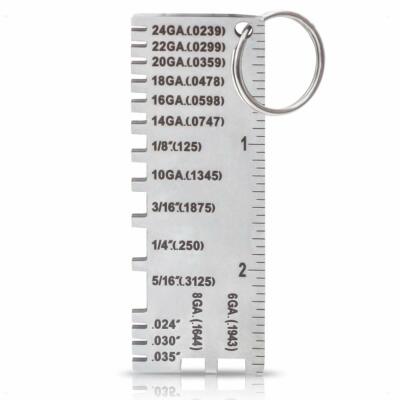
Looking for a reliable source for 1.8-inch gauge steel components? Honyo Prototype offers precision manufacturing solutions with fast turnaround times. Our factory in Shenzhen ensures high-quality production with strict quality control standards.
Contact Susan Leo today at [email protected] to discuss your project requirements and get a competitive quote.
🚀 Rapid Prototyping Estimator
Estimate rough cost index based on volume.